
It Matters: Soil and Organic Matter in Darwin
Quality Garden Services NT - Your trusted partner in creating lush, thriving outdoor spaces in the Northern Territory.
Welcome to the lush, vibrant landscapes of Darwin, Northern Territory—a region renowned for its tropical beauty, unique flora, and challenging climate. If you’re a Darwin resident, property manager, or gardening enthusiast, you’re no stranger to the unique demands that the Top End climate places on soil and plant life.
Whether you’re tending to a sprawling lawn, a community sports field, a carefully curated garden, or a commercial landscape, understanding the role of soil and organic matter is absolutely crucial for successful turf management and grounds maintenance in Darwin.
In this comprehensive blog post, we’ll explore why soil and organic matter are the bedrock of healthy, resilient landscapes in Darwin and surroundings, e.g. Palmerston and Humpty Doo.
We’ll delve into the region’s distinctive soil types, the challenges posed by climate and weather, and practical strategies to enrich your soil with organic matter for thriving lawns and gardens. By the end, you’ll have the knowledge and confidence to make soil health a top priority in your turf and grounds management efforts.
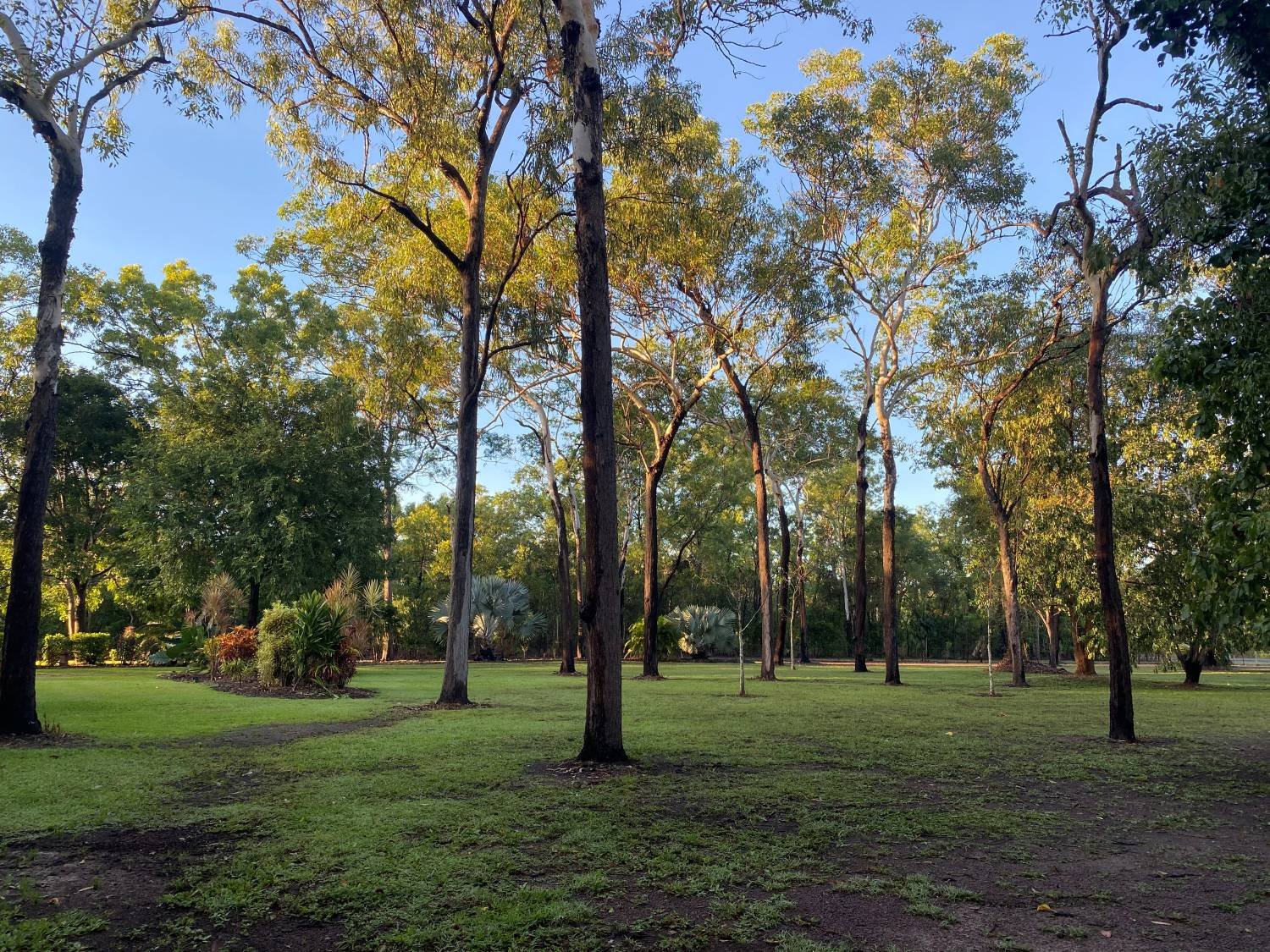
1. Understanding Darwin’s Climate and Its Impact on Soil
1.1 The Top End’s Tropical Climate
Darwin sits at the northern tip of Australia, where the climate is defined by two main seasons: the Wet and the Dry. The Wet Season, typically from November to April, brings heavy rainfall, high humidity, and thunderstorms. The Dry Season, from May to October, features low rainfall, cool breezes, and mild temperatures.
This climatic rhythm has profound impacts on soil:
Heavy rains can cause leaching of nutrients from the soil and promote rapid plant growth.
Extended dry periods can lead to soil compaction, reduced microbial activity, and water stress for plants.
1.2 Soil Challenges in the Top End
Soil in Darwin faces several unique challenges:
Low natural fertility: Many soils in the region are sandy, lateritic, or clay-rich, often with low organic matter content.
Erosion and compaction: Intense rains can erode topsoil, while foot traffic and machinery compact soil, reducing its ability to retain water and nutrients.
Nutrient leaching: High rainfall can wash away essential plant nutrients, leaving soils depleted.
Acidity and alkalinity: Soil pH can vary, but many Darwin soils tend towards acidity, which can limit nutrient availability.
Understanding these challenges is the first step toward successful turf and garden management.
2. The Role of Soil in Turf and Garden Health
2.1 Soil as the Foundation of Plant Life
Soil is more than just dirt—it’s a living ecosystem that supports plants, microorganisms, insects, and fungi.
Healthy soil provides:
Structural support for roots.
Water retention and drainage for balanced hydration.
Nutrient storage and supply for plant growth.
A habitat for beneficial organisms that recycle organic material and suppress pests.
2.2 Soil Composition: The Basics
Soil is composed of:
Mineral particles: Sand, silt, and clay.
Organic matter: Decaying plant and animal material.
Water: Filling pore spaces between soil particles.
Air: Also occupying pores, essential for root and microbial respiration.
The balance of these components determines soil texture, structure, and fertility.
2.3 Darwin’s Common Soil Types
Sandy soils: Drain quickly, low in nutrients, prone to drying.
Clay soils: Can hold nutrients well but may become waterlogged and compacted.
Lateritic soils: Rich in iron and aluminium oxides, often red or yellow, can be nutrient-poor and hard when dry.
Knowing your soil type is critical for selecting turf species, irrigation methods, and soil amendments.
3. Organic Matter: The Secret Ingredient
3.1 What is Organic Matter?
Organic matter refers to the remains of plants and animals in various stages of decomposition.
This includes:
Fallen leaves, grass clippings, and plant stems.
Dead roots and microorganisms.
Compost and other amendments.
3.2 Why Does Organic Matter Matter?
Organic matter is the engine of soil fertility and resilience:
Improves soil structure: Helps bind soil particles, promoting aeration and drainage.
Increases water-holding capacity: Essential in sandy soils prevalent in Darwin.
Feeds soil organisms: Bacteria, fungi, worms, and insects break down organic matter, releasing nutrients for plants.
Buffers pH: Helps moderate extreme soil acidity or alkalinity.
Reduces erosion: By improving soil structure and binding particles together.
3.3 The Microbial Connection
Healthy soils teem with life. Microbes decompose organic matter, cycle nutrients, and even help plants resist disease. High temperatures and heavy rains in Darwin mean organic matter breaks down quickly—making regular replenishment essential.
4. Soil and Turf Management in Darwin: Practical Strategies
4.1 Testing and Understanding Your Soil
Soil testing is the first step in any successful turf or garden project:
pH test: Reveals if your soil is acidic or alkaline.
Texture test: Determines sand, silt, and clay content.
Nutrient analysis: Shows levels of key nutrients like nitrogen, phosphorus, and potassium.
Testing allows you to tailor your management practices to your soil’s unique needs.
4.2 Building Organic Matter
Improving soil organic matter should be a priority for every Darwin gardener and turf manager.
Here’s how:
4.2.1 Compost Application
Homemade compost: Made from kitchen scraps, grass clippings, and garden waste.
Commercial compost: Available from local suppliers, often blended for local conditions.
Application rate: Spread 1–2cm of compost over lawns and garden beds annually.
4.2.2 Mulching
Organic mulches: Wood chips, straw, leaf litter, and grass clippings.
Benefits: Retain moisture, suppress weeds, protect soil from heat, and add organic matter as they break down.
How to use: Apply 5–10cm layer around plants, avoiding direct contact with stems.
4.2.3 Green Manures and Cover Crops
What are they? Fast-growing plants (e.g., legumes, grasses) sown to cover bare soil.
Benefits: Add organic matter, prevent erosion, fix nitrogen (if using legumes).
How to use: Sow during fallow periods, then cut and dig in before seeding or planting.
4.2.4 Leaving Grass Clippings
Why it helps: Clippings return nutrients and organic matter to the soil.
How to do it: Use a mulching mower and leave short clippings on the lawn.
4.3 Managing Soil Compaction
Foot traffic, machinery, and heavy rain can compact Darwin’s soils, harming plant roots and restricting drainage.
Aeration: Use a garden fork or mechanical aerator to punch holes in the soil, improving air and water movement.
Topdressing: Apply a thin layer of compost or sandy loam after aeration to help fill holes and add organic matter.
Limit traffic: Rotate play areas on sports fields, use stepping stones in gardens.
4.4 Addressing Nutrient Deficiencies
Fertilisers: Use slow-release, organic-based fertilisers where possible to avoid nutrient leaching.
Balanced nutrition: Turf grasses need nitrogen for growth, phosphorus for roots, and potassium for resilience.
Monitor: Regularly check for signs of deficiency—yellowing leaves, poor growth, or weak turf.
4.5 Choosing the Right Turf Species
Some grass varieties are better suited to Darwin’s climate and soils:
Couch grass (Cynodon dactylon): Drought-tolerant, recovers quickly from wear, but needs good fertility.
Buffalo grass (Stenotaphrum secundatum): Shade-tolerant, good for home lawns.
Zoysia grass: Low maintenance, tolerates heat and drought.
Always match turf species to your soil type and intended use.
4.6 Water Management
Irrigation timing: Water early morning or late afternoon to minimise evaporation.
Deep, infrequent watering: Encourages deep roots and reduces fungal diseases.
Rainfall: Adjust watering schedules based on seasonal rainfall.
5. The Benefits of Healthy Soil and Organic Matter in Darwin
5.1 Resilient Turf and Gardens
Soils rich in organic matter produce healthier, more resilient lawns and gardens, capable of withstanding:
Drought: Improved water retention helps plants survive dry spells.
Heavy rain: Better structure reduces waterlogging and erosion.
Pests and diseases: Healthy soils foster beneficial microbes that suppress pathogens.
5.2 Environmental Benefits
Reduced runoff: Good soil structure and organic cover reduce nutrient runoff into waterways.
Carbon sequestration: Soils store carbon, helping mitigate climate change.
Biodiversity: Healthy soils support a diverse range of organisms, from earthworms to birds.
5.3 Cost Savings
Less fertiliser: Organic matter reduces reliance on synthetic fertilisers.
Reduced irrigation: Improved moisture retention lowers water bills.
Longer-lasting turf: Healthy, resilient lawns require less repair and renovation.
6. Overcoming Common Soil and Organic Matter Issues in Darwin
6.1 Dealing with Poor Drainage
Soil amendment: Add organic matter and sand to heavy clays to improve drainage.
Raised beds: Useful for gardens in low-lying or flood-prone areas.
Regular aeration: Prevents compaction and promotes water movement.
6.2 Combating Soil Erosion
Mulch and groundcovers: Protect bare soil from heavy rain.
Retaining walls and terraces: On slopes, these structures slow water flow and stabilise soil.
Planting density: Dense plantings hold soil in place with their roots.
6.3 Coping with Nutrient Leaching
Frequent, light applications: Apply fertilisers in small doses to reduce loss during heavy rain.
Use of slow-release products: These supply nutrients over a longer period.
Organic matter: Acts as a sponge, holding nutrients in the root zone.
6.4 Adjusting Soil pH
Lime: Raises pH in acidic soils (common in Darwin); use according to soil test recommendations.
Sulphur: Lowers pH in alkaline soils.
Organic matter: Buffers soil pH, helping maintain balance.
7. Case Study: Transforming a Darwin Sports Field
Let’s look at a practical example. A local primary school in Darwin struggled with a compacted, patchy sports field.
After consultation, the following steps were taken:
Soil testing: Revealed low organic matter, acidic pH, and compaction.
Aeration: The field was mechanically aerated to relieve compaction.
Topdressing: A blend of compost and sand was applied.
Overseeding: Hard-wearing couch grass was sown.
Mulching: Edges and garden beds were mulched with wood chips.
Regular maintenance: Included leaving grass clippings, targeted irrigation, and occasional compost application.
Within a year, the field was dramatically improved: deeper green turf, fewer bare patches, and greater resilience to both wet and dry spells.
8. Local Resources for Darwin Gardeners and Turf Managers
Nurseries and landscape suppliers: Offer compost, mulch, turf varieties, and soil testing kits.
Northern Territory Government – Land and Water Division: Provides soil maps and land management advice.
Local gardening clubs and community gardens: Share tips and resources specific to Darwin’s climate.
9. Frequently Asked Questions
Q: How often should I add organic matter to my soil in Darwin?
A: At least once a year, but more often if your soil is very sandy or you’re establishing new turf or gardens. Mulching and composting ongoing garden waste also helps maintain levels.
Q: Can I use native leaf litter as mulch?
A: Absolutely! Native leaf litter is well-adapted to local conditions and helps support native soil biota.
Q: Is it worth investing in a soil test?
A: Yes. Soil tests provide valuable information about pH, nutrients, and soil type, allowing you to make informed decisions about amendments and management.
Q: What’s the best way to improve sandy soil in Darwin?
A: Incorporate organic matter such as compost or manure, use mulches, and sow green manures when possible. Regular replenishment is key.

10. Conclusion
In Darwin’s challenging tropical climate, soil and organic matter are the unsung heroes of successful turf, grounds, and garden management. By understanding your soil, enriching it with organic matter, and adopting sustainable practices, you can create healthy, resilient landscapes that thrive through the Wet and Dry seasons alike.
Whether you’re responsible for a home lawn, a sports field, or a commercial garden, investing in soil health will pay dividends for years to come. Not only will your turf and plants look better and withstand the elements, but you’ll also contribute to a healthier local environment and save money on inputs and repairs.
Remember: It matters. Soil and organic matter are the foundation of everything green in Darwin, Palmerston and Humpty Doo—nurture them, and they’ll reward you with lush, vibrant landscapes that stand the test of time.
Further Reading and Resources
About Us
At Quality Garden Services NT, we’re passionate about healthy soils and vibrant landscapes in Darwin. From turf management and grounds maintenance to garden renovations and soil health advice, our expert team is here to help you achieve your green goals—no matter the season.
Quality Garden Services NT provides comprehensive services including lawn care, pruning, weed control, mulching, turf management and irrigation checks, all tailored to your property’s specific needs. Our team of experienced professionals is dedicated to keeping your property in top condition year-round, regardless of the season. We’re not just about making your garden look good—we’re about creating a lasting impression for your clients, residents, and visitors.
If you’re in Darwin, Palmerston, Humpty Doo or the rural areas and looking for reliable, trusted garden & grounds maintenance services, look no further than Quality Garden Services NT.
We specialize in turf management, grounds maintenance, and garden care in Darwin and the Northern Territory.
Contact us today (0498649535) to learn more about how wetting agents can transform your lawn!
At Quality Garden Services NT, we understand how important it is to maintain a lush, healthy lawn and vibrant garden in Darwin’s unique climate.
Why Choose Us?
Choosing the right grounds maintenance and gardening service is crucial for the health and appearance of your property. Here’s why we stand out:
Local Expertise: Our team is familiar with the unique climate and soil conditions of the Darwin, Palmerston, Humpty Doo and surrounding areas. We know what works best for your gardens and lawns.
Quality Service: We are committed to delivering high-quality work. Our goal is to exceed your expectations, leaving you with well-maintained outdoor spaces.
Customer Satisfaction: Your satisfaction is our priority. We take the time to listen to your needs and tailor our services accordingly - be it for commercial or private properties.
Thank you for visiting our website!