
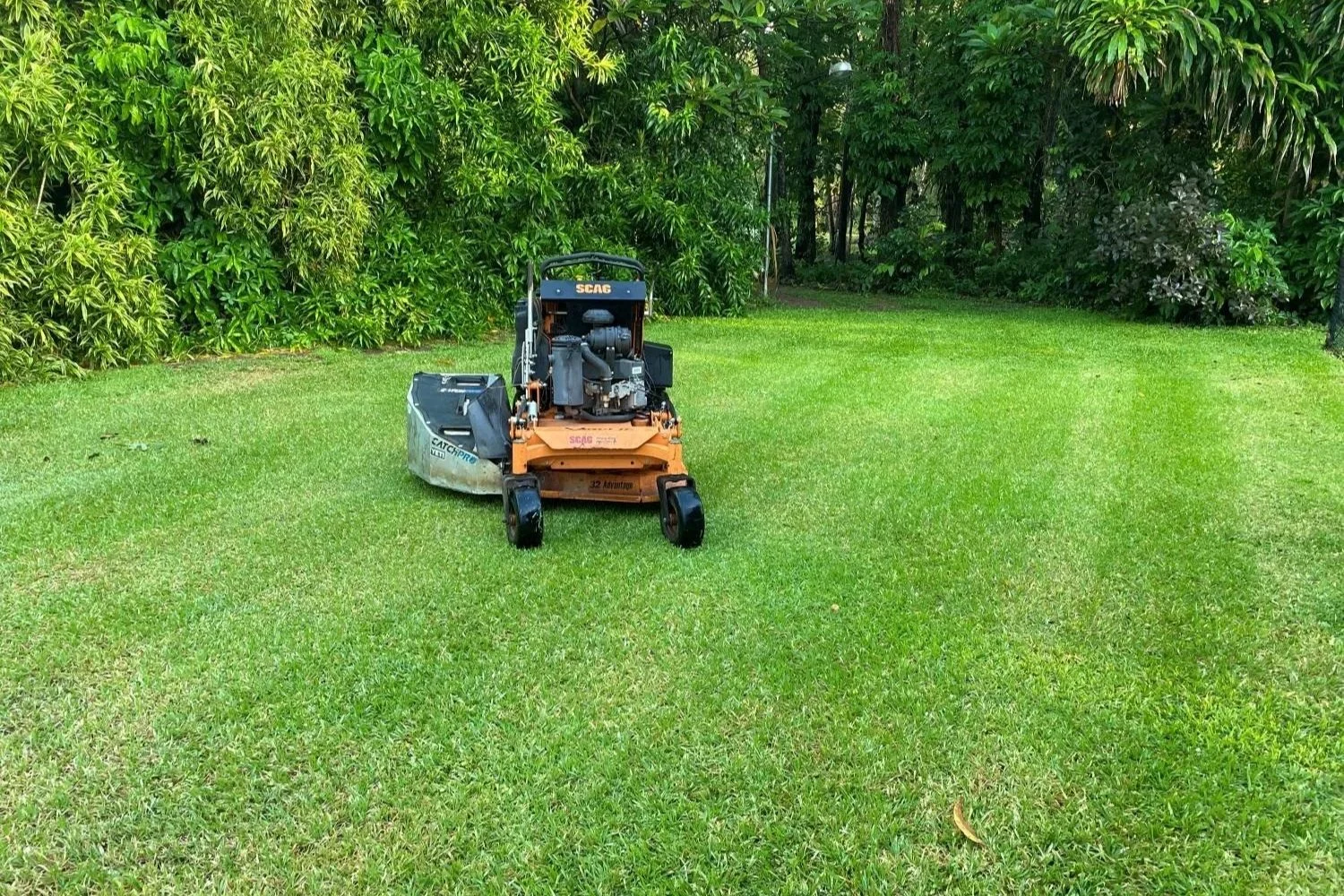
Why Grass Grows Upright After It Has Been Flattened — Plant Response, Gravitropism and Traffic
Grass’s remarkable ability to spring back upright after being flattened is a triumph of plant physiology, evolutionary adaptation, and practical turf management. In Darwin’s unique tropical climate, understanding the science of gravitropism and the realities of traffic stress is essential for maintaining resilient, beautiful lawns and sports fields. If you’ve ever walked across a dew-laden Darwin lawn in the early morning, you’ve probably noticed the satisfying crunch as grass blades flatten beneath your feet. Yet, return a few hours later, and the same patch of turf stands tall and upright, as if nothing happened. This everyday miracle is more than just a curiosity—it’s a testament to the resilience of grass and the sophisticated plant science at work beneath our feet. For turf managers, sports facility operators, and homeowners in Darwin, understanding why and how grass recovers from flattening is more than academic. It’s the key to maintaining lush, healthy lawns and sports fields in a climate defined by intense wet and dry seasons, heavy rainfall, and relentless tropical sun. In this post, we’ll explore the plant physiology behind upright regrowth, the effects of traffic and compaction, the unique challenges of the Top End, and the practical steps you can take to keep your turf looking its best.
Why Turf Needs Carbohydrates Around Darwin: The Science and Practice for Lush, Resilient Lawns in the Top End
In Darwin’s tropical climate, turfgrass survival and performance hinge on robust carbohydrate reserves. Understanding how carbohydrates fuel turf health—and how local conditions challenge their production and storage—is essential for every homeowner, grounds manager, and turf professional in the Top End. If you’ve ever wondered why some lawns in Darwin bounce back from a pounding wet season or a bone-dry dry season while others struggle, the answer often lies beneath the surface—in the turf’s carbohydrate reserves. Carbohydrates are the energy currency of turfgrass, fueling everything from root growth to recovery after mowing, pest attack, or drought. In Darwin’s extreme climate, understanding and managing turf carbohydrates isn’t just science—it’s survival.
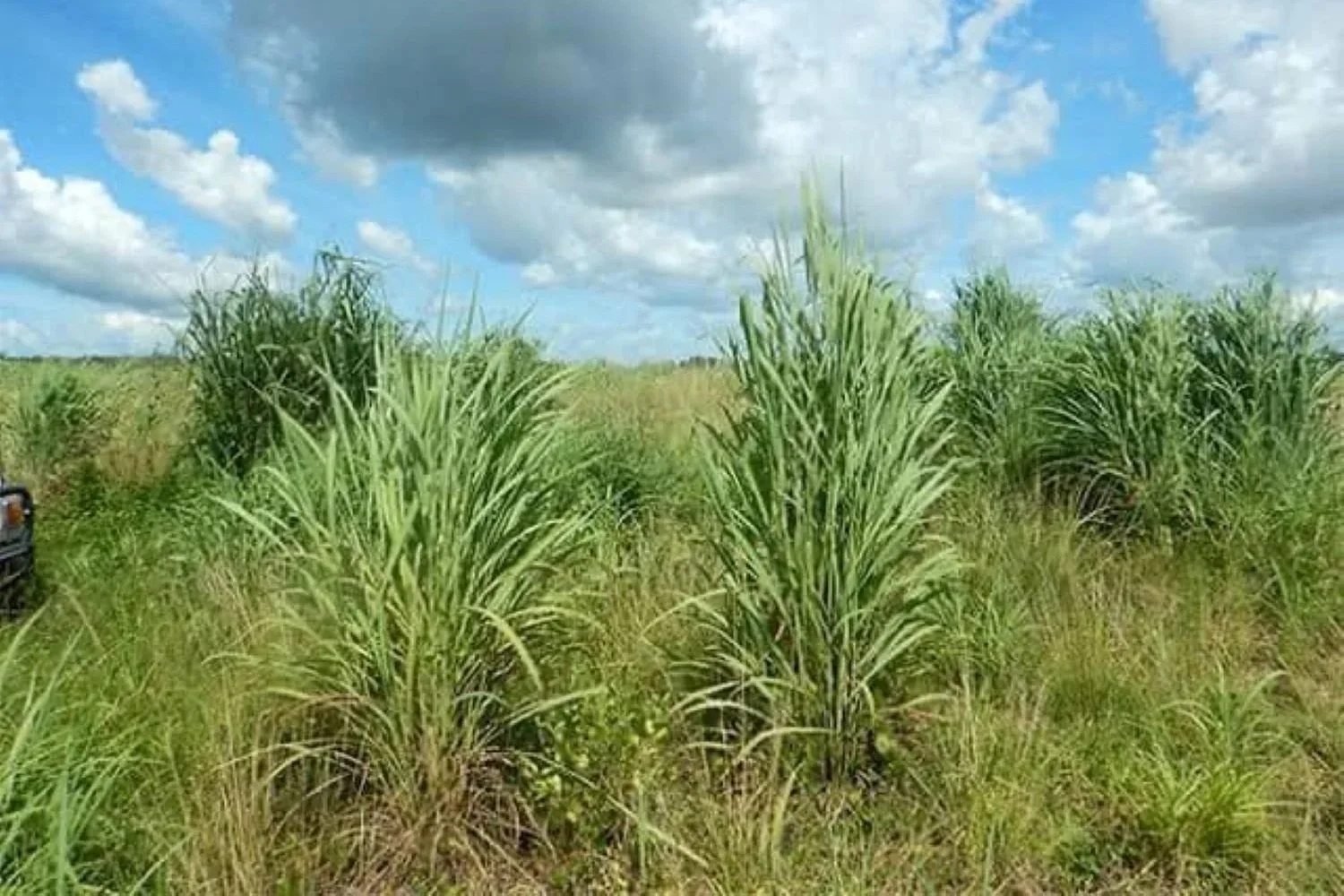
Why the Same Weeds Keep Coming Back Every Year around Darwin
Darwin’s tropical climate, persistent weed biology, and common lawn care mistakes combine to create a perfect storm for recurring weed problems. Understanding why weeds return—and how to fight back with expert strategies—can transform your lawn and garden from a battleground into a lush, resilient oasis. If you’ve ever spent a Saturday morning sweating it out in your Darwin backyard, pulling out the same stubborn weeds you tackled last year (and the year before that), you’re not alone. For homeowners and property managers across the Top End, the annual weed battle is as predictable as the build-up’s first thunderstorm. You mow, you spray, you pull—and yet, as soon as the wet season hits, those familiar invaders are back, thriving as if nothing ever happened. Why do the same weeds keep coming back, year after year, no matter how hard you try? Is it just bad luck, or is there something about Darwin’s climate and landscape that gives weeds the upper hand? As a local turf management and grounds maintenance business, we’ve seen it all—and we’re here to explain the science, the local weed “rogues’ gallery,” and, most importantly, what you can do to finally get ahead.
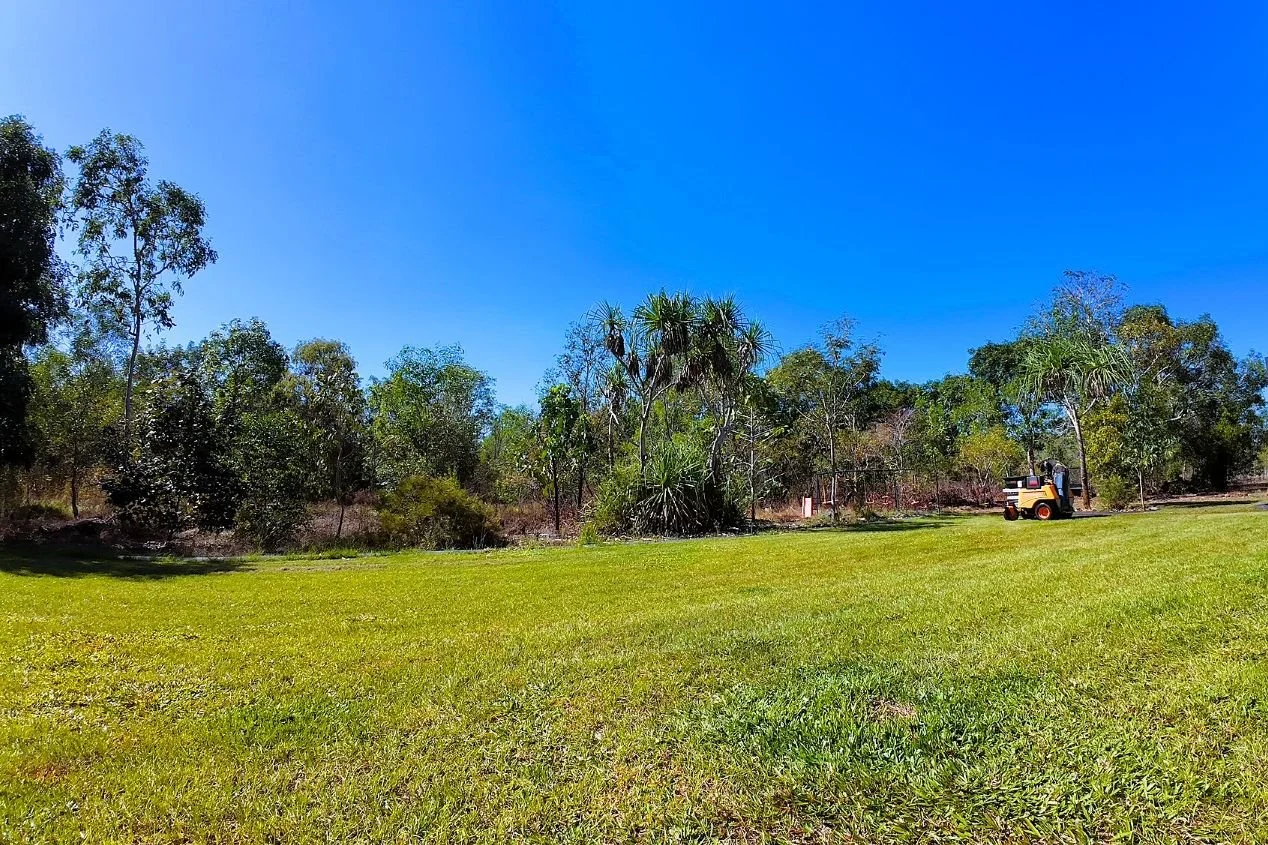
Mown Areas, Managed Areas and Natural Areas: Finding the Right Balance on Acreage around Darwin
Managing acreage in Darwin’s Top End is all about balance—between lush lawns, productive gardens, and the wild beauty of native bush. With our unique tropical climate, strict weed and fire regulations, and the sheer scale of rural blocks, getting this balance right is both a challenge and a joy. In this guide, we share our local expertise to help you create a property that’s safe, sustainable, and a pleasure to live on. If you own or manage acreage around Darwin—whether it’s in Humpty Doo, Howard Springs, Bees Creek, Lambells Lagoon, or Darwin River—you know that living on a rural block in the Top End is a lifestyle like no other. Our properties are big (typically 1 to 8 hectares, or 2.5 to 20 acres), our climate is dramatic, and our land is a patchwork of lawns, gardens, and bushland. The 2025–26 wet season was a real standout, with Darwin Airport recording rainfall at around 144% of the long-term average—over 2,397mm for the year. That means explosive growth, boggy soils, and a maintenance calendar that never seems to let up. But with the right approach, you can turn these challenges into opportunities. The secret? Understanding and managing your property in three distinct zones:
Mown Areas: The lawns and high-use spaces that frame your home and lifestyle.
Managed Areas: The productive, designed transition zones—think gardens, orchards, and bush tucker plantings.
Natural Areas: The wild bushland that makes the Top End special, managed for both conservation and safety.
Let’s dive into how to find the right balance for your block.
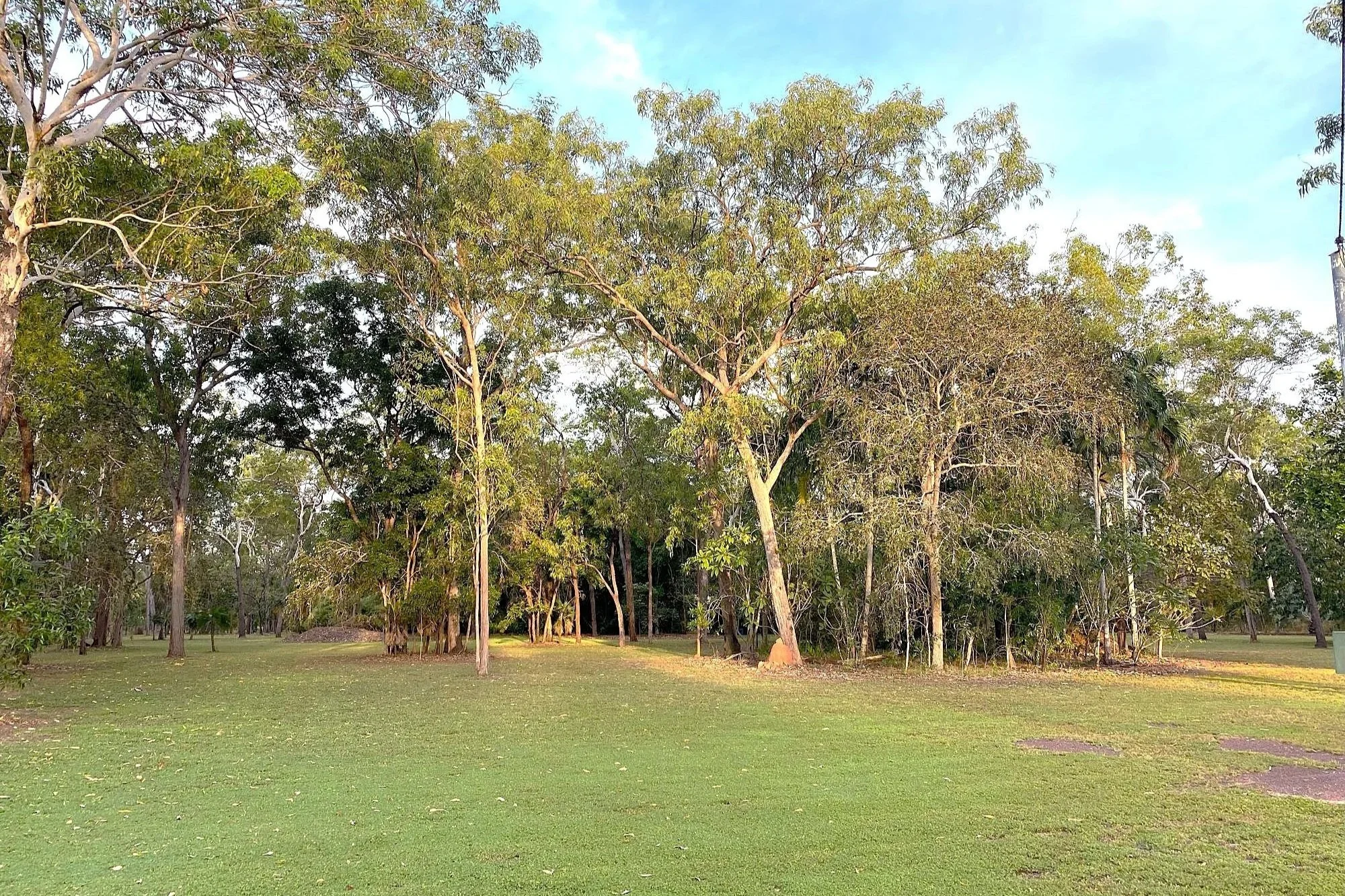
What the First Storms Reveal About Your Property in Darwin
The first storms of Darwin’s wet season are more than just a dramatic weather event—they’re a powerful diagnostic tool, exposing hidden weaknesses and opportunities in your property’s landscape, turf, drainage, and structures. Understanding what these storms reveal is the first step to building a resilient, beautiful, and safe property for the months ahead. As the oppressive heat and humidity of Darwin’s build-up finally break with the first thunderous downpours, every property in the Top End undergoes a real-world stress test. For turf managers, groundskeepers, and garden maintenance professionals, these early storms are both a challenge and an opportunity—a chance to see how months of dry-season preparation (or neglect) stand up to nature’s onslaught. In 2026, with the Bureau of Meteorology (BOM) forecasting a later-than-usual rainfall onset and the lingering effects of El Niño, the first storms are arriving with their usual drama but perhaps even greater significance. Whether you’re in Nightcliff, Palmerston, Larrakeyah, or the rural fringes, what happens in your garden, on your lawn, and around your property in these first weeks of rain will set the tone for the entire wet season. This comprehensive guide—written from the perspective of a Darwin-based turf management and grounds maintenance business—will walk you through:
The unique climate context of the 2026–2027 wet season
The most common property problems exposed by the first storms
Turf and lawn care strategies tailored for Darwin’s tropical conditions
A practical, month-by-month property preparedness timeline
Actionable advice to help you turn storm season challenges into opportunities for a healthier, safer, and more beautiful property
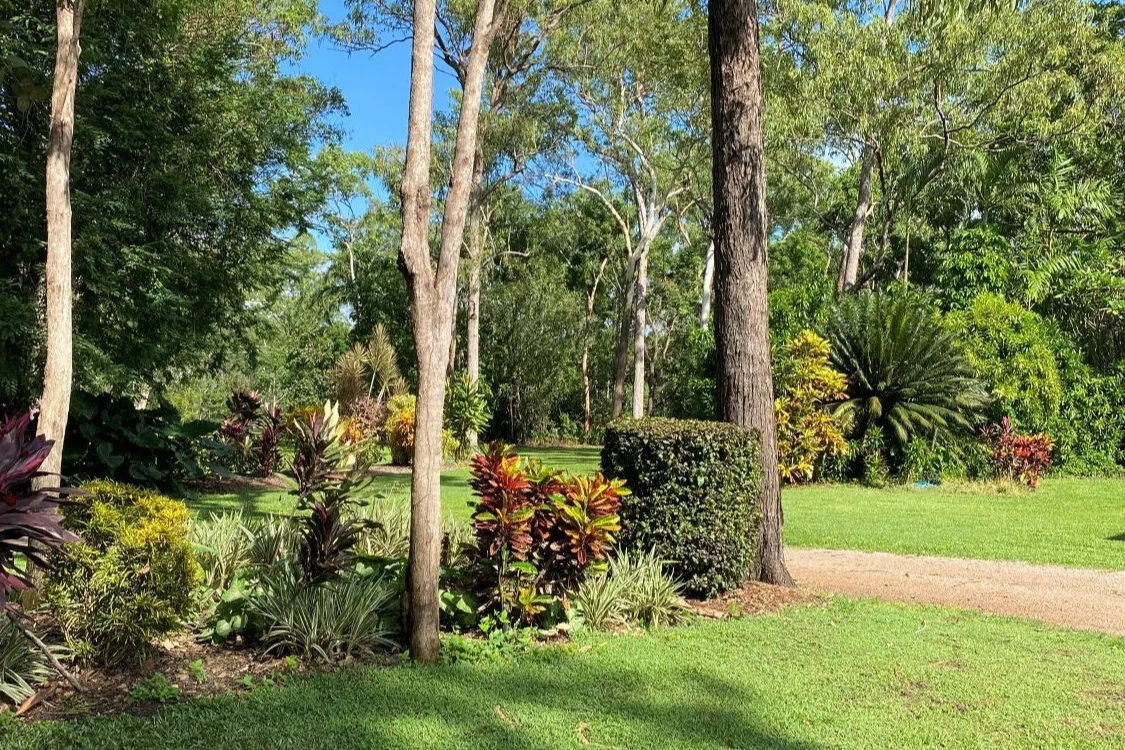
Kelp: An Organic Boost for Your Lawn and Garden
Looking for an eco-friendly way to transform your lawn and garden? Kelp, a natural seaweed-based solution, offers incredible benefits for plant health, resilience, and soil improvement. Packed with plant hormones, amino acids, and essential nutrients, kelp stimulates root growth, enhances stress recovery, and thickens cell walls to protect your plants against pests and diseases. Discover how kelp can help you achieve lush turf, vibrant gardens, and sustainable results in Darwin's challenging tropical climate! When it comes to maintaining a lush, healthy lawn and vibrant garden in Darwin, Northern Territory, some of the biggest challenges come from the tropical climate. Extreme heat, high humidity, and unpredictable weather patterns can place significant stress on your lawn and garden plants. If you're tired of dealing with patchy grass, wilting plants, and nutrient-depleted soil, you may be surprised to learn that the solution could be found in the ocean: kelp. Kelp-based products are rapidly gaining popularity in the landscaping and gardening world for their remarkable ability to improve soil health, enhance plant resilience, and promote vigorous growth. At Quality Garden Services NT, we believe in sustainable, organic practices, and kelp is one of the most powerful tools in our arsenal. In this blog post, we’ll explore how kelp can transform your lawn and garden into a thriving, stress-resistant paradise.
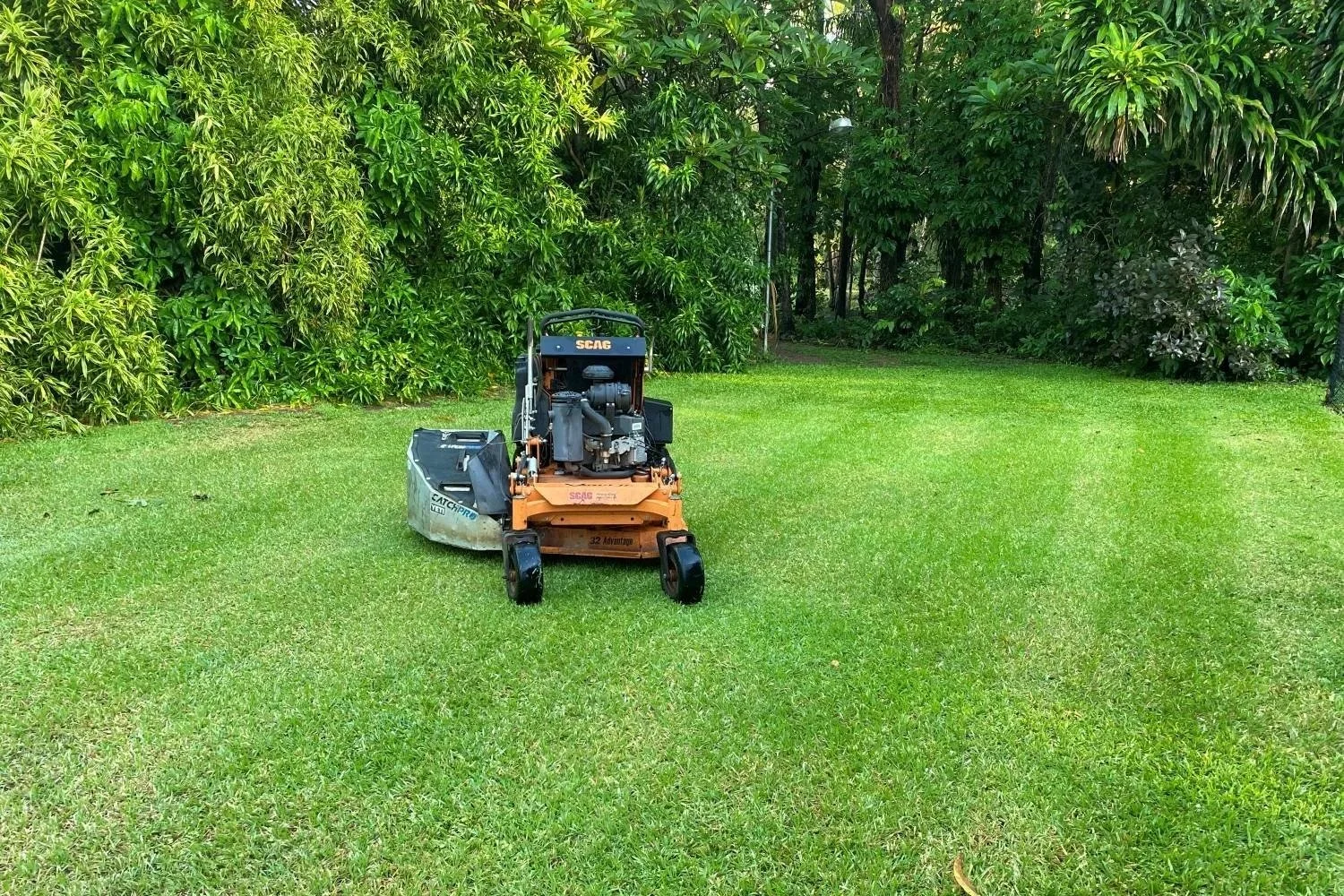
Why the Build-Up is the Perfect Time for Gardening in Darwin
The build-up season—September, October, and November—is Darwin’s golden window for gardening. With rising humidity, warming soils, and the promise of the wet season, it’s the ideal time to plant, prune, clean up, and transform your outdoor spaces. Strategic action now means lush, resilient gardens and safer properties for the months ahead. If you’ve lived in Darwin for more than a season, you know the build-up is more than just a weather pattern—it’s a feeling. The air thickens, the cicadas sing louder, and the sky teases with the promise of rain. For gardeners, property managers, and anyone who loves their outdoor space, the build-up is a call to action. At Quality Garden Services NT, we’ve spent decades working with Darwin’s unique climate. We know that the build-up isn’t just a time to endure—it’s the perfect time to get your garden thriving, your property cyclone-ready, and your landscape projects off to a flying start.
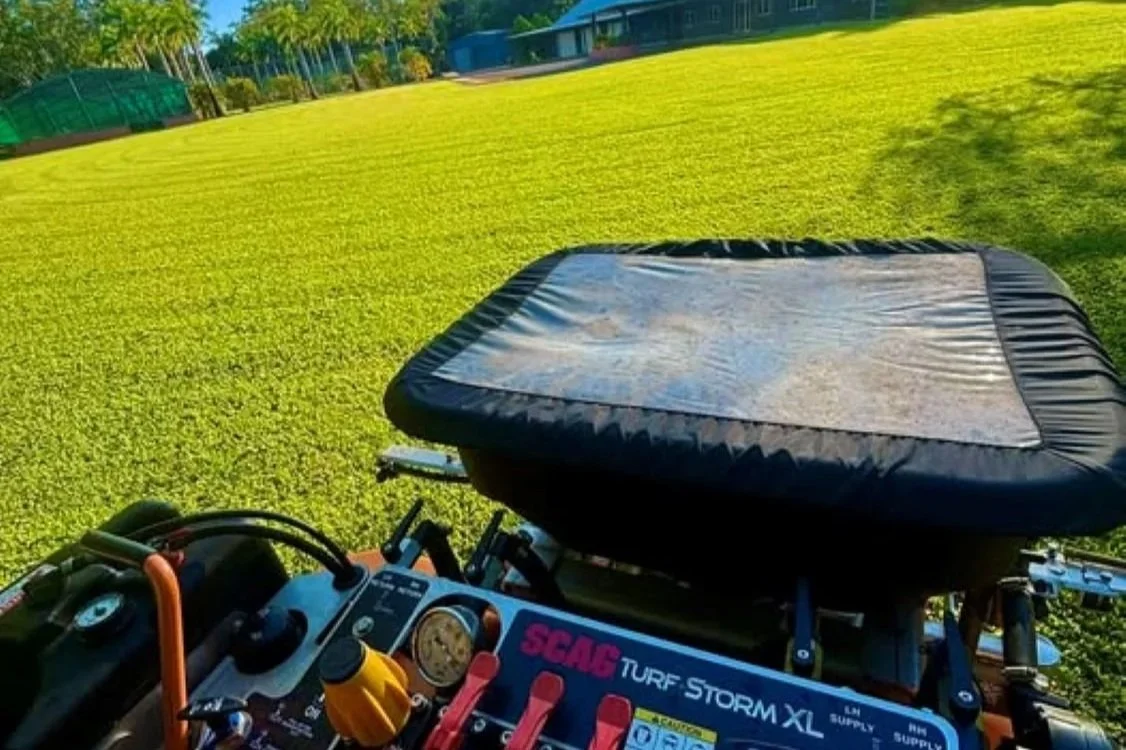
Protect Your Lawn in the Build-Up Season in Darwin: Stop Weeds and Pests Before They Take Hold
If you live in Darwin, Palmerston, Humpty Doo or anywhere around the Greater Darwin and rural area, you don't need a calendar to tell you when the build-up is approaching. You can feel it. The mornings become warmer, the comfortable Dry Season nights disappear, humidity starts creeping back in and the sun seems to gain another level of intensity. Before long, we start seeing the first storms building on the horizon and eventually the landscape makes its annual transformation from dry and dusty to green and growing. For our lawns, this change can be dramatic. After months of relatively slow Dry Season growth, warm-season grasses begin responding to increasing soil temperatures, humidity and moisture. Once the first reliable rain arrives, turf can move very quickly. Unfortunately, so can everything else. Weeds that have been waiting patiently in the soil can germinate. Lawn pests become increasingly active. Army Worm can seemingly appear out of nowhere. Beetles, grubs and caterpillars can cause damage at exactly the time your turf is trying to recover and put on new growth. And that is why the period leading into the build-up can be such an important one for turf management. There is plenty we can do once a lawn has a weed or pest problem. But if we know those problems are likely to arrive every year, sometimes it makes much more sense to get ahead of them. This year, rather than going over all the usual build-up lawn-care jobs again, we want to concentrate on two preventative measures that can make a significant difference: pre-emergent weed control and preventative pest management. Neither is a magic solution, and neither replaces the basics of good turf management. But used appropriately, they can give your lawn a much better chance of heading into the Wet Season strong, dense and ready to grow.
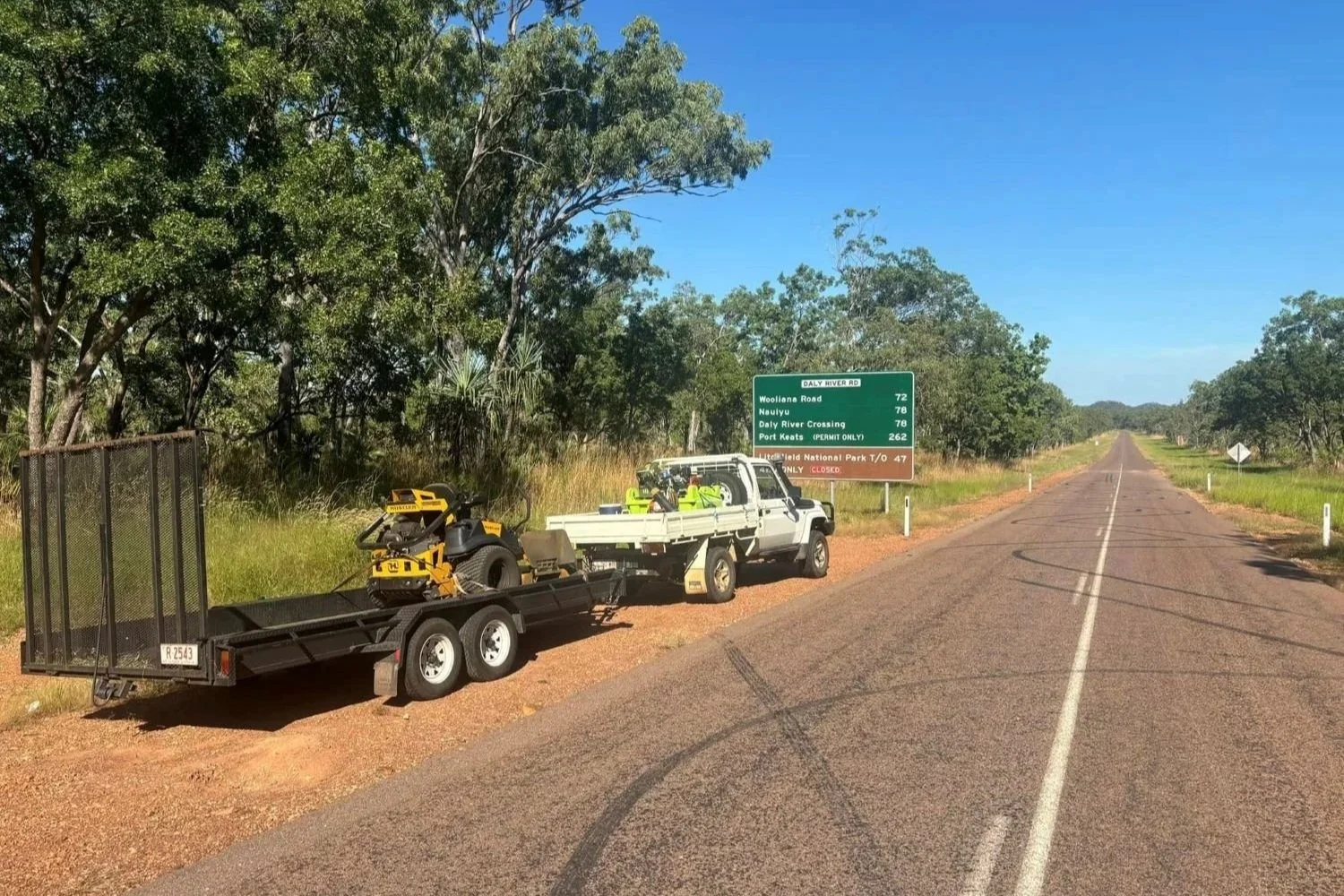
Bush Fire Season in the Top End: What Property Maintenance Looks Like When Conditions Turn Dry
Bushfire preparation in the Top End is not a last-minute job; it’s an ongoing process that evolves with the seasons. As the Dry Season progresses, property maintenance must shift from managing growth to mitigating risks, focusing on safety, strategic planning, and working within the realities of the current conditions. By the end of August in the Top End of the Northern Territory, the shift in seasons is unmistakable. The lush greenery of the Wet Season has faded into the past, leaving behind a landscape that is dry, brittle, and increasingly vulnerable to bushfires. The transition from wet to dry marks not just a change in the environment but also a significant shift in how property owners need to approach maintenance. For anyone managing rural or acreage properties, the dry conditions and heightened bushfire risks raise an important question: What can you do now to prepare? The answer isn’t always straightforward. Some maintenance tasks that seemed like a good idea earlier in the season might no longer be appropriate, while others need to be adjusted to suit the new conditions. In this article, we’ll explore what property maintenance looks like as the Dry Season takes hold, why timing and conditions matter, and how to prepare not only for the current bushfire season but also for the seasons ahead.
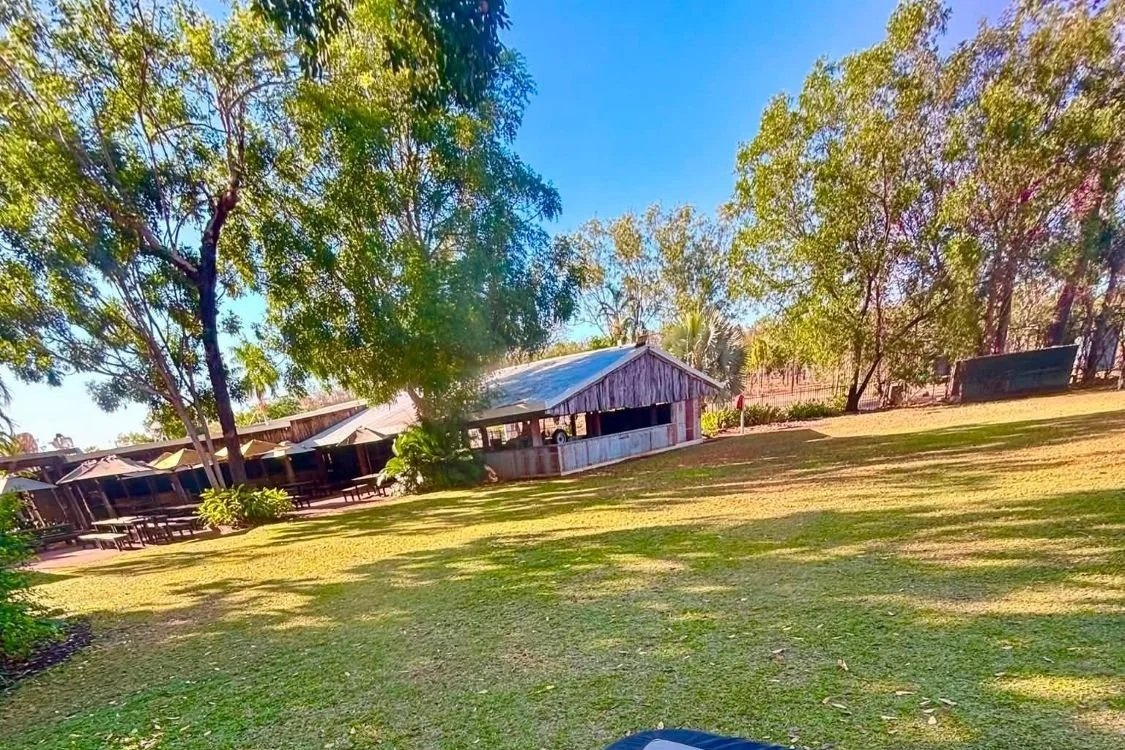
The Cost of Letting Your Grounds & Garden Dry Out During the Dry Season in Darwin
Letting your grounds and garden dry out during Darwin’s dry season isn’t just a matter of saving a few dollars on water or mowing. The true cost is far-reaching—damaging your property, destroying your landscape, harming local wildlife, and making our city hotter and less liveable. As someone who’s spent years caring for Darwin’s gardens, I see these consequences unfold every single year. As the owner of a turf management and property maintenance business here in Darwin, I see the same story play out every year. Lawns that were lush and green in April turn brown and brittle by July. Garden beds that once buzzed with life become dusty wastelands. And when the first storms of the build-up hit in October, the damage is done—sometimes irreversibly. But here’s the thing: the “cost” of letting your grounds and garden dry out isn’t just about money. Yes, there’s a financial sting when you have to replace dead turf or repair cracked pathways. But the real cost is deeper—affecting your property’s value, the health of our local ecosystem, and even the comfort and liveability of your home. In this post, I want to break down what really happens when you let your garden go during the dry season. I’ll share hard data, real-world examples, and my own perspective from years on the ground in Darwin. Whether you’re a homeowner, property manager, or business owner, I hope this helps you see why dry season maintenance is an investment—not an expense.

Turf Management: Understanding What It Takes to Maintain Healthy, High-Performing Turf in the Top End
Turf is far more than just grass—it is a complex, living system whose health depends on the careful balance of soil condition, water management, nutrition, mowing practices, and ongoing pest, weed, and disease control. In Darwin, Palmerston, Humpty Doo, and the broader Top End, that complexity is amplified by one of Australia's most demanding climates: intense heat, high humidity, powerful Wet Season rainfall, and long Dry Season dry spells all place exceptional stress on turf throughout the year. Maintaining healthy, high-performing turf in the Northern Territory is not a matter of following a simple routine—it requires a holistic, season-aware approach that treats every element of the turf system as interconnected. Whether you manage a home lawn, a commercial property, a school oval, or a resort ground, understanding how these factors work together is the foundation of everything that follows in this post.
Get Your Property to Survive the Transition into the Build-Up in Darwin
The build-up in Darwin, Palmerston and Humpty Doo is the most challenging and critical time for property owners to act. With soaring heat, humidity, storms, and the looming wet season, proactive turf, garden, and grounds management is essential to protect your investment, ensure safety, and set your property up for lush growth and resilience. If you’ve lived in Darwin for more than a year, you know the build-up isn’t just another season—it’s a test of endurance for people, plants, and properties alike. As a local turf management, grounds, and garden maintenance business, we’ve seen firsthand how the transition from the dry season to the wet can make or break a property’s health and appearance. In 2026, with climate patterns as unpredictable as ever, it’s more important than ever to prepare your property for what’s coming. This comprehensive guide will walk you through everything you need to know and do to help your property not just survive, but thrive, as the build-up arrives. We’ll cover the unique climate challenges, the science behind turf and garden care in the tropics, and the practical steps you can take—backed by local expertise and the latest horticultural research.
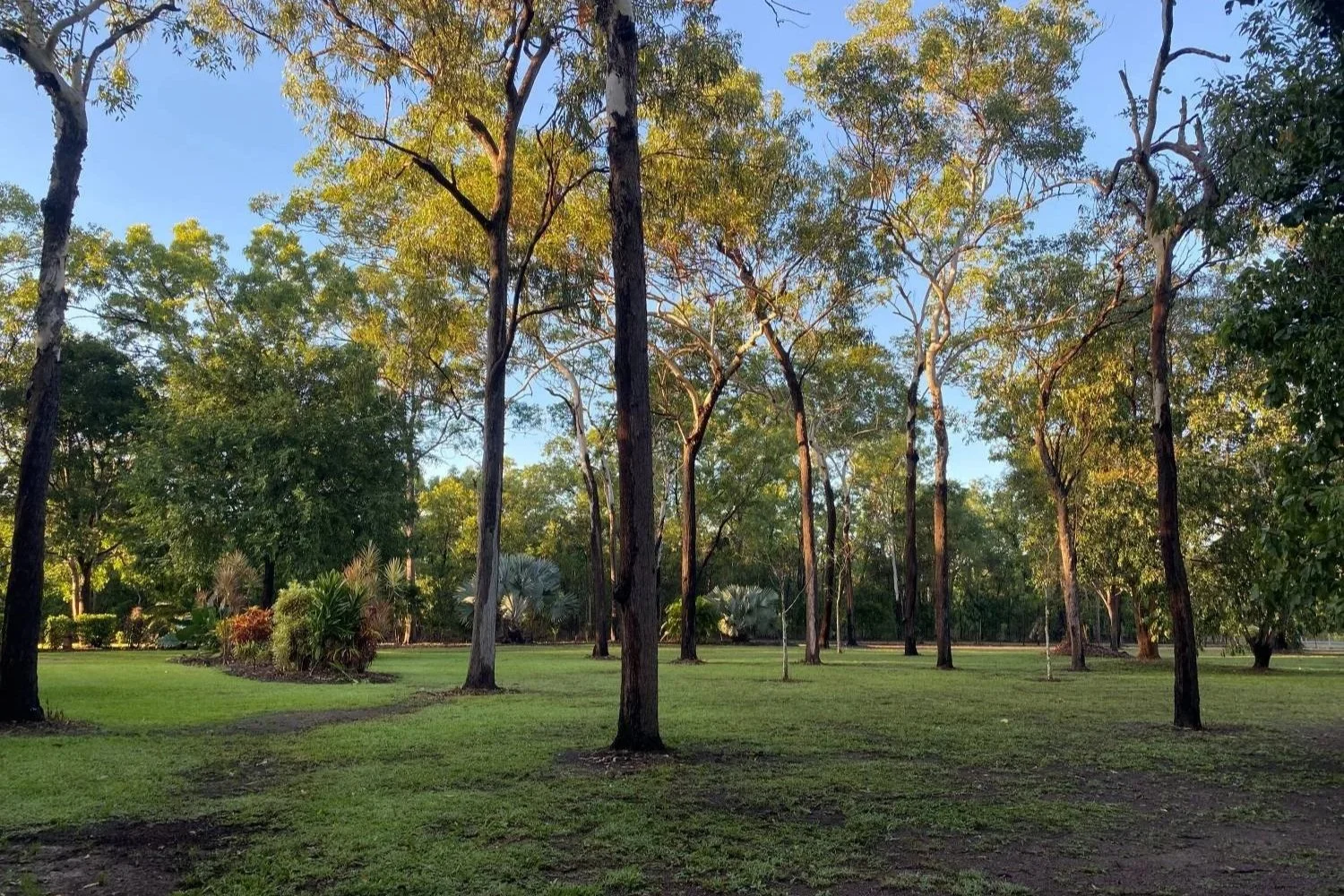
The Impact of Having Domestic Animals on Your Property in Darwin
Domestic animals can bring both joy and challenges to your Darwin, Palmerston or Humpty Doo property. Their presence shapes your lawns, gardens, and soil health in profound ways—sometimes for the better, sometimes for the worse. Understanding these impacts, especially in Darwin’s unique tropical climate, is essential for every property owner who wants to maintain a thriving, beautiful outdoor space. Darwin, the beating heart of Australia’s Top End, is a place where the wild meets the cultivated. Here, lush lawns and vibrant gardens are not just a luxury—they’re a way of life. But in 2026, as more Darwin residents embrace the joys of keeping domestic animals—dogs, pigs, goats, cattle, horses, and even chickens—property owners face new challenges and opportunities in managing their outdoor spaces. As a local turf management, grounds, and garden maintenance business, we’ve seen firsthand how animals can transform a property. Sometimes, they’re a blessing: natural lawn mowers, weed controllers, and sources of rich organic fertiliser. Other times, they’re a curse: leaving behind urine burns, digging up prized turf, compacting soil, or turning lush lawns into muddy paddocks. In this comprehensive guide, we’ll explore the real-world impacts of domestic animals on Darwin properties—drawing on local knowledge, scientific research, and years of hands-on experience. We’ll cover the positives and negatives for each animal, offer practical management tips, and help you make informed decisions for your unique patch of the Top End.
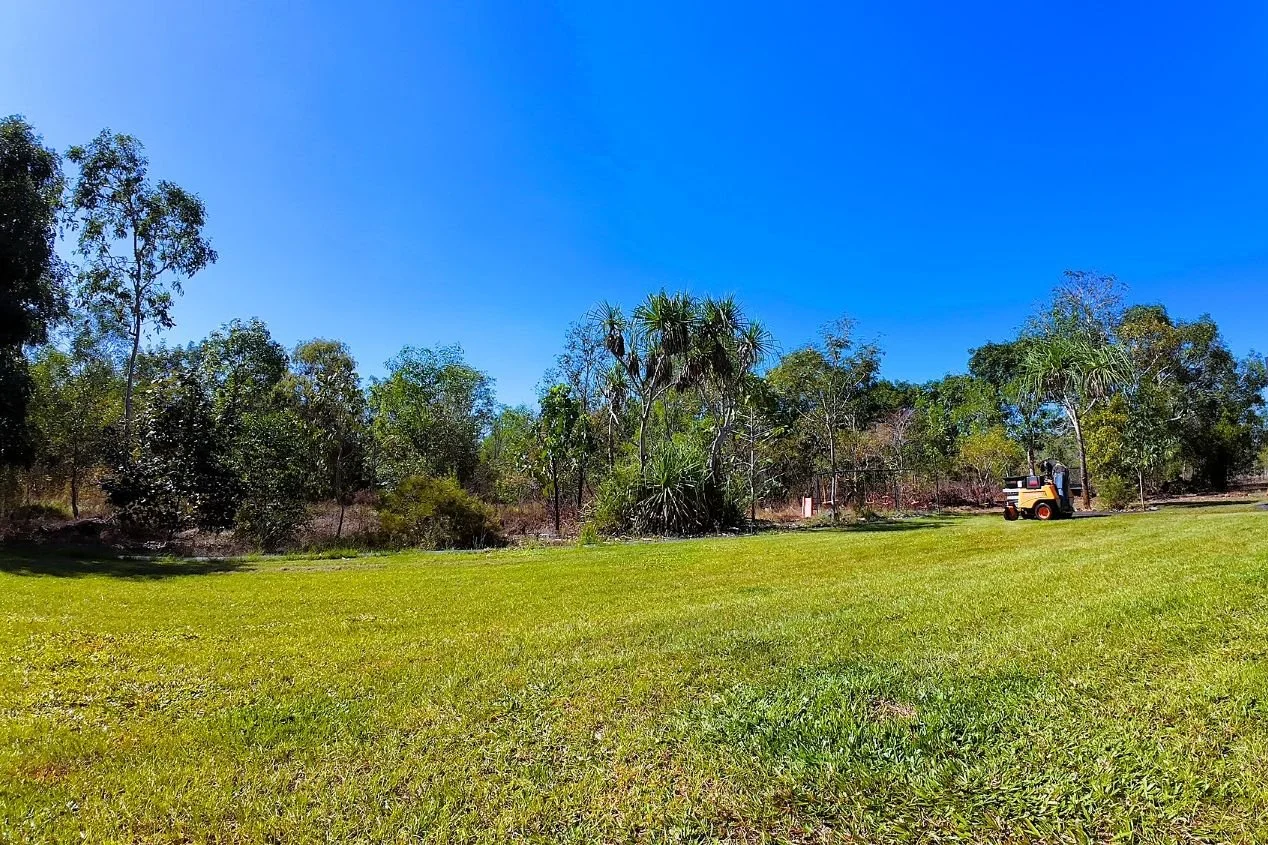
Soil Compaction in Darwin: The Invisible Problem Beneath Your Lawn
When you gaze out at your lawn, you might admire its lush green blades or critique a few patches that seem to be struggling. What you might not realize, however, is that one of the most common and detrimental issues affecting lawns in Darwin, Palmerston and Humpty Doo is happening beneath the surface. Soil compaction is an invisible problem, but its effects are all too visible. It impacts the health of your turf, the efficiency of your garden, and the overall ecosystem of your yard. In this blog post, we’ll dive deep into what soil compaction is, why it’s such a common issue in Darwin, and most importantly, how you can tackle it to give your lawn the best chance to thrive in the challenging Northern Territory conditions.
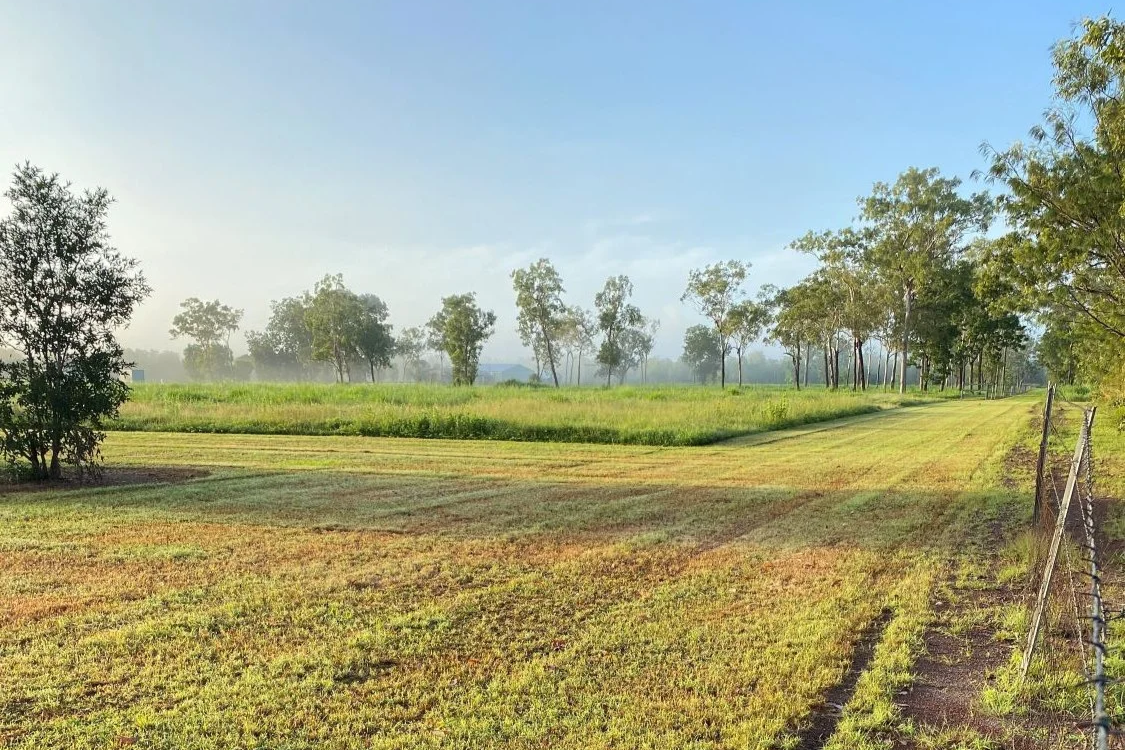
What Years of Maintaining Large Properties Across the Top End Have Taught Us
When people think about maintaining a large rural property around Darwin, Palmerston, Humpty Doo or the rural areas, they often picture a ride-on mower, a few long days in the sun, and grass that simply needs cutting every few weeks. Over the years, we've had the privilege of maintaining a wide variety of properties across Darwin and the rural areas of the Northern Territory. From family acreage blocks and hobby farms to schools, campgrounds, government facilities and tourism destinations, every property has presented its own unique challenges and opportunities. What has become increasingly clear is that successful property maintenance isn't about making grass shorter. It's about understanding how a piece of land works. Every property has its own personality. Every owner has different priorities. Every season changes the landscape in subtle ways. And every visit provides another opportunity to notice something that could become tomorrow's problem—or tomorrow's success. Looking back over the years, there are a number of lessons that consistently stand out.
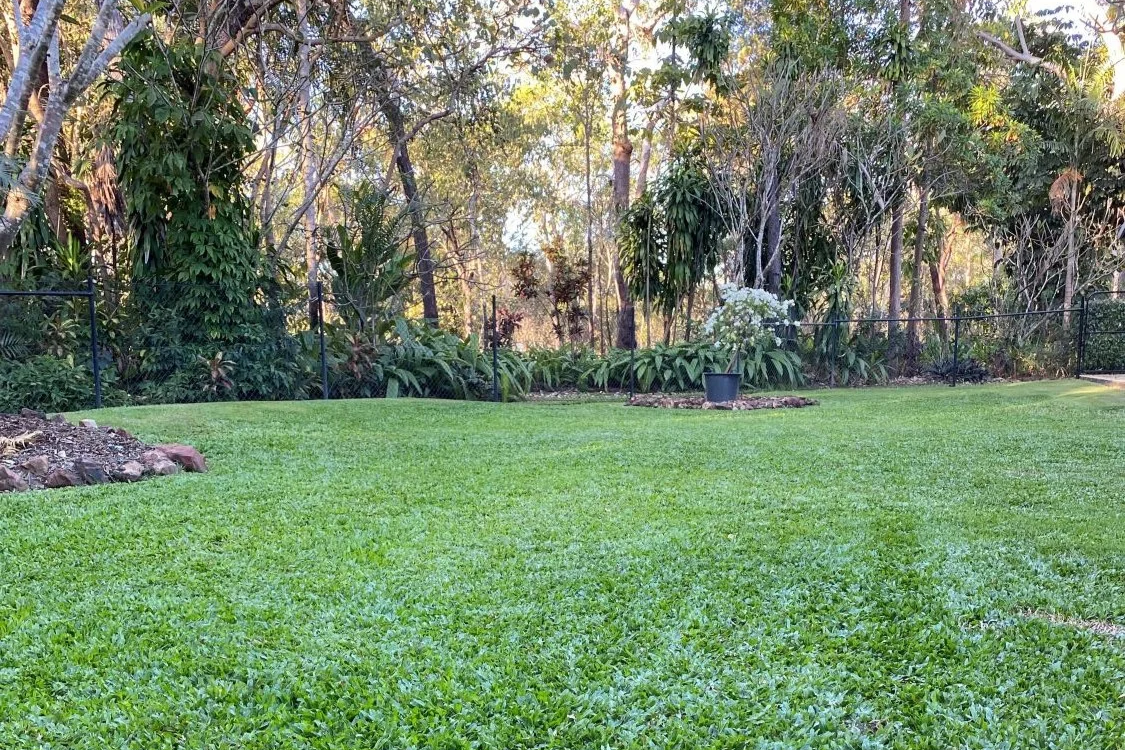
Having Your Own Putting Green in Darwin
In Darwin’s vibrant, outdoor-loving community, a backyard putting green isn’t just a luxury—it’s a lifestyle upgrade. With the right design, materials, and local expertise, you can enjoy professional-quality golf practice, family fun, and a stunning landscape feature that thrives in the Top End’s unique climate. If you live in Darwin, Palmerston or Humpty Doo, you already know there’s something special about our city. The endless blue skies, the balmy evenings, and the unmistakable energy of a community that loves to be outdoors. Whether it’s a barbecue with friends, a game of backyard cricket, or a stroll along the foreshore, life in the Top End is all about making the most of our incredible climate. But there’s another outdoor passion that’s been quietly growing in Darwin: golf. With iconic clubs like Darwin Golf Club, Palmerston Golf Club, and Northlakes Golf Club, our city has long been a hub for golfers of all ages and abilities. In recent years, the game has seen a surge in popularity, thanks in part to Golf Australia’s BIG SWINGS 2026–2030 strategy, which is making golf more accessible, flexible, and family-friendly than ever before. One of the most exciting trends to emerge from this new era of golf is the rise of home putting greens. Imagine stepping out your back door and onto a perfectly manicured green, ready for a quick practice session, a friendly putting contest with the kids, or a relaxing escape after a long day. In Darwin, where the outdoor lifestyle is king, having your own putting green is more than a dream—it’s a smart, achievable investment in your home, your health, and your happiness.
El Niño 2026 – What Does That Mean for Darwin?
El Niño 2026 is shaping up to be one of the most significant climate events in recent years for Darwin and the Northern Territory. Expect hotter, drier conditions, delayed rains, and unique challenges for turf, gardens, and landscapes. Proactive, expert management is essential to keep your green spaces healthy and resilient. As a Darwin-based turf management, grounds, and garden maintenance business, we know that the weather isn’t just a topic for small talk—it’s the foundation of everything we do. In 2026, the climate conversation is dominated by one word: El Niño. This year’s event is not just a blip on the radar; it’s a powerful force that will shape the way we care for lawns, gardens, and landscapes across the Top End. Whether you’re a homeowner, property manager, or business owner, understanding what El Niño 2026 means for Darwin is crucial. In this comprehensive guide, we’ll break down the science, the local impacts, and—most importantly—what you can do to keep your green spaces thriving in the face of challenging conditions.
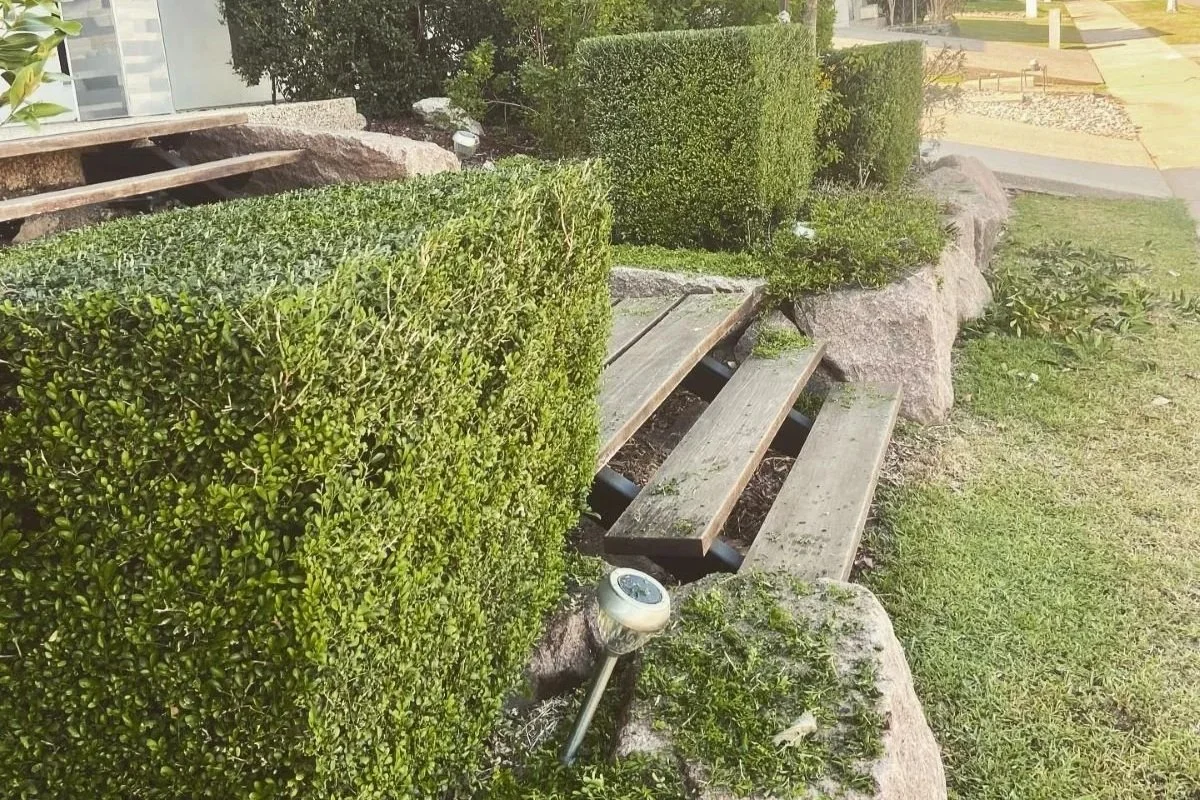
Hedge Options Suitable for Darwin
Darwin’s tropical climate offers both challenges and opportunities for creating lush, beautiful hedges. With the right plant choices and expert care, you can enjoy privacy, colour, and year-round greenery in your garden or commercial landscape. Welcome to the Top End! If you’re a homeowner, property manager, or business owner in Darwin, you know that our gardens are shaped by the dramatic rhythms of the wet and dry seasons. The intense sun, high humidity, and heavy rains of the wet season (November to April) give way to the cooler, dry months (May to October), creating a unique environment for plants—and for those of us who care for them. Hedges are more than just green boundaries. In Darwin, they provide privacy, windbreaks, noise reduction, and a vibrant backdrop for tropical living. But not every hedge plant can handle our climate’s extremes. That’s why, as a local turf management and garden maintenance business, we’re passionate about helping you choose the right hedge options and maintain them for lasting beauty and function. In this comprehensive guide, we’ll explore the best hedge plants for Darwin—including China Pink (Loropetalum), Murraya paniculata (Mock Orange), and Radermachera (Everlasting Beauties)—plus a range of other proven performers. We’ll also share expert tips on planting, spacing, watering, pruning, fertilising, and pest management, all tailored to Darwin’s conditions.
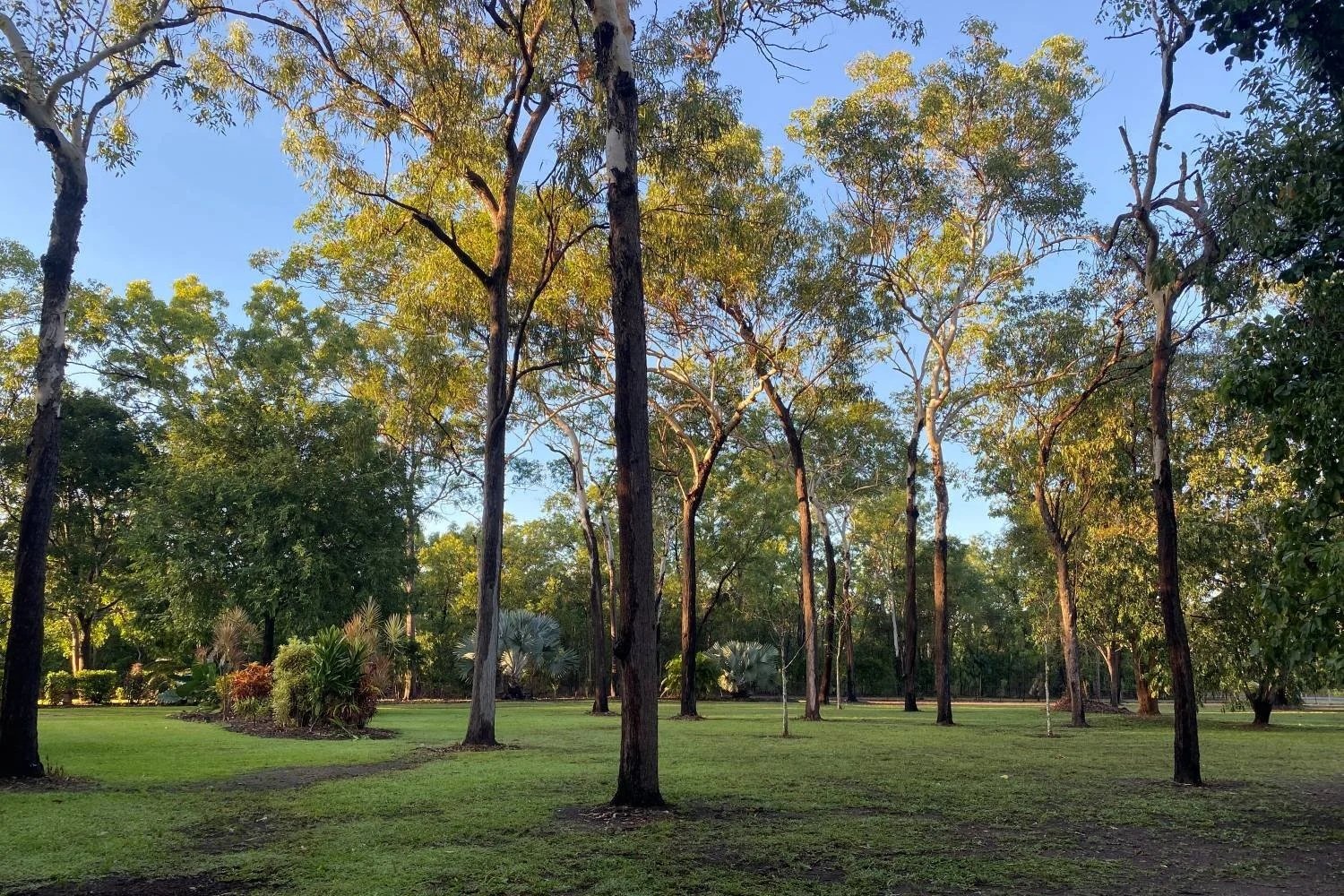
Why Bunnings Products Aren’t Always the Best Solution for Your Garden in Darwin
While Bunnings offers convenience and affordability, Darwin’s unique tropical climate, soils, and weed pressures demand specialist products and local expertise. For lasting results, professional turf management and garden maintenance tailored to the Top End are essential. Bunnings Warehouse is a household name across Australia, synonymous with convenience, variety, and the iconic sausage sizzle. For many Darwin residents, it’s the first stop for garden tools, turf care products, and weekend DIY inspiration. But is Bunnings always the best solution for your garden in the Top End? As a Darwin-based turf management and grounds maintenance business, we’ve seen firsthand the pitfalls of relying solely on big-box hardware stores for garden care in our unique environment. While Bunnings has its place, the tropical climate, challenging soils, and aggressive weeds of Darwin demand more than generic products and one-size-fits-all advice. In this comprehensive guide, we’ll explore why Bunnings products aren’t always the best fit for Darwin gardens, the hidden costs of DIY mistakes, and why partnering with a local expert is the smartest investment for your lawn, turf, and garden.

Children and Plants in Darwin – What to Consider: Family-Friendly Gardens in the Top End
Creating a child-safe, family-friendly garden in Darwin’s tropical climate is both rewarding and challenging. By understanding local plant risks, choosing safe and engaging species, and following best-practice garden design and safety principles, you can foster a vibrant outdoor space where children thrive and families connect with nature. Discover the essential dos and don’ts for creating a child-safe, family-friendly garden in Darwin, NT. Learn about safe plants, garden design, and expert tips for tropical garden safety in 2026. Contact us for professional garden maintenance and turf management in Darwin, Palmerston, Humpty Doo and the rural areas!