
Quality Garden Services NT - Your trusted partner in creating lush, thriving outdoor spaces in the Northern Territory.
In Darwin’s tropical climate, weeds crossing property boundaries can rapidly transform healthy lawns and gardens into infested, fire-prone, and ecologically degraded spaces. Understanding how weeds spread—from roadsides, drainage lines, neighbouring land, and tracks—is essential for effective prevention and control. Proactive, seasonally-timed management and professional support are crucial to protect your property, biodiversity, and investment.
Introduction: The Unseen Threat at the Boundary
Living and working in Darwin and the Top End, we’re blessed with lush landscapes, vibrant gardens, and unique biodiversity. But this tropical paradise comes with a persistent challenge: weeds. For property owners, turf managers, and gardeners, the boundary of your land isn’t just a fence or a line on a map—it’s the frontline in a constant battle against invasive plants.
When weeds move from the boundary into your property, the consequences can be swift and severe. Whether you’re managing a suburban lawn, a commercial site, or a rural block, understanding how weeds cross boundaries—and what happens next—is vital for maintaining healthy, valuable, and safe landscapes.
In this comprehensive guide, we’ll explore:
The unique weed challenge of Darwin’s tropical climate
Key invasive and declared weed species threatening the region
The main pathways weeds use to invade properties
The impacts of weed incursion on lawns, gardens, fire risk, biodiversity, and property value
The legal framework and your responsibilities under NT law
Practical, seasonally-timed strategies for prevention and control
Why professional grounds maintenance is your best defence
1. Darwin’s Tropical Climate: A Weed’s Paradise
1.1 The Wet-Dry Cycle and Weed Growth
Darwin’s climate is defined by two distinct seasons:
Wet Season (November–April): High rainfall, humidity, and warmth create explosive growth conditions for all plants—including weeds. Seeds germinate rapidly, and new infestations can appear almost overnight.
Dry Season (May–October): Cooler, drier conditions slow growth, but established weeds persist, set seed, and become fire hazards as they dry out.
This cycle means that weed management in Darwin is a year-round task, with different challenges and priorities in each season.
1.2 Why Weeds Thrive in the Top End
Fast Growth: Many invasive species are adapted to tropical climates, outcompeting native plants and turf.
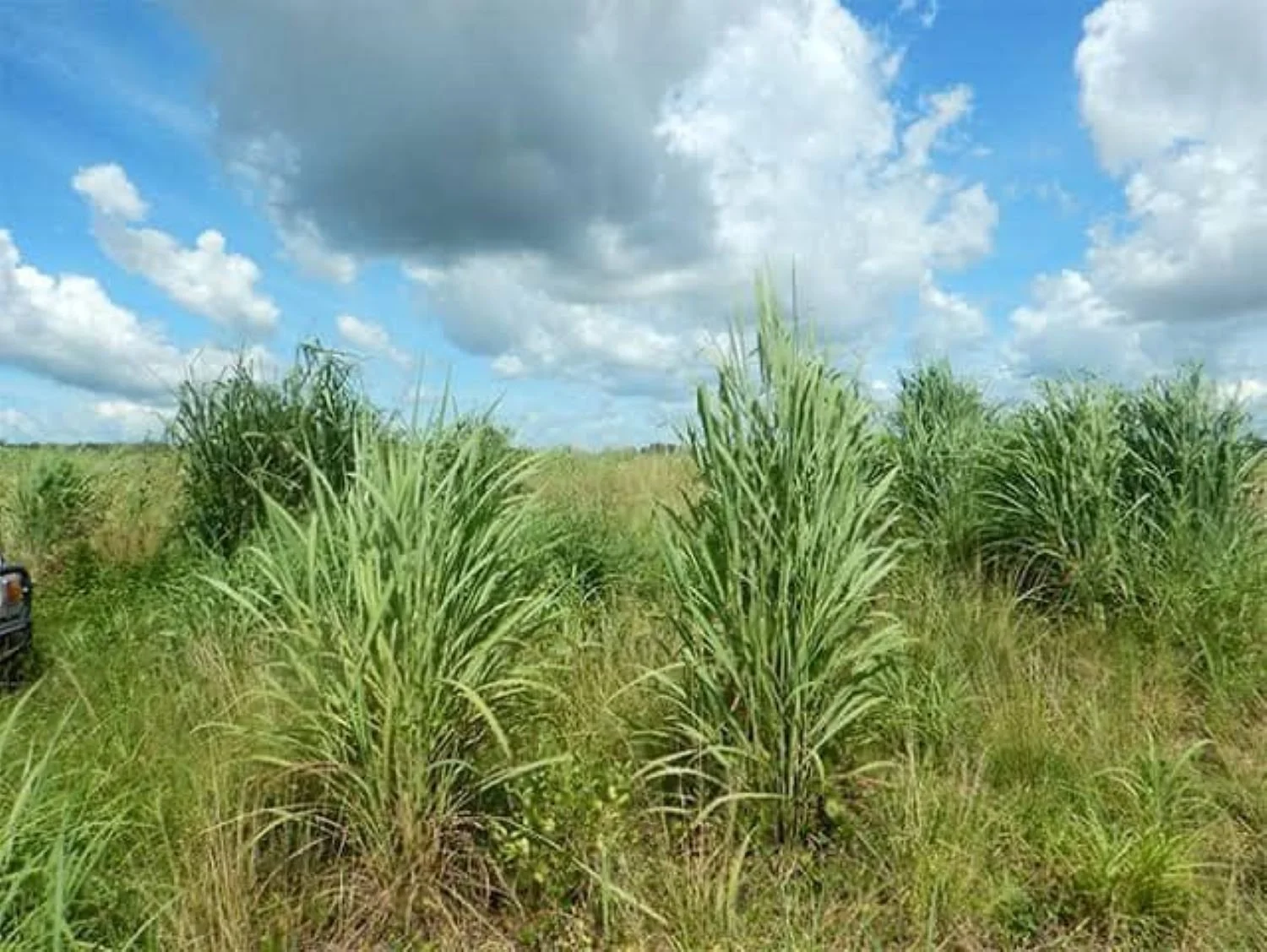
High Seed Production: Weeds like Gamba grass and Mission grass produce vast quantities of seed, easily spread by wind, water, animals, and machinery.
Disturbance: Construction, mowing, and even gardening can create bare patches—perfect entry points for weeds.
Connectivity: The landscape is crisscrossed by roads, tracks, drainage lines, and unfenced boundaries, providing easy pathways for weed movement.
2. Meet the Invaders: Key Weed Species in Darwin and Surroundings
Darwin and the Top End face threats from a range of declared and invasive weeds. Here are some of the most problematic species:
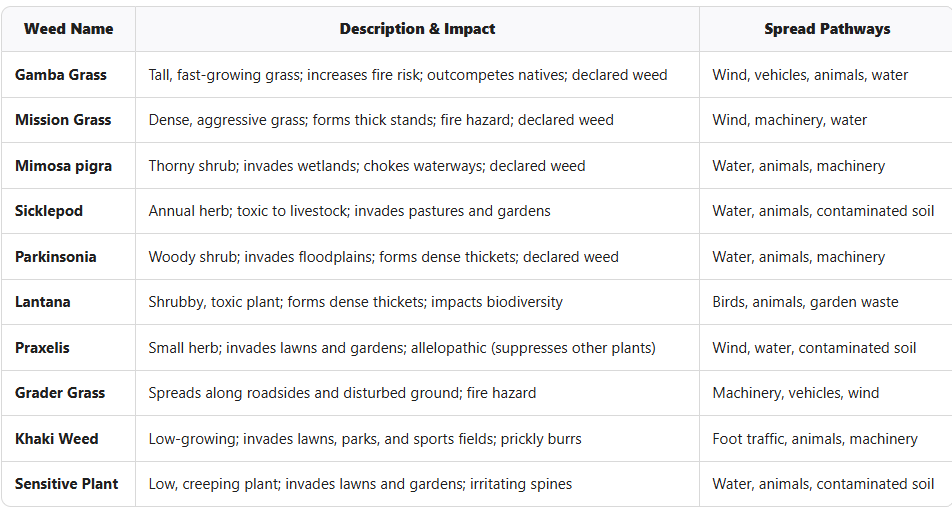
Key Finding:
Many of these weeds are declared under the NT Weeds Management Act 2001, meaning landholders have legal obligations to control them.
3. How Weeds Cross the Boundary: Main Spread Pathways
Weeds are relentless opportunists. Understanding how they move from the boundary into your property is the first step in stopping them.
3.1 Pathways and Tracks
Unsealed driveways, walking tracks, and vehicle access points are prime corridors for weed movement.
Seeds hitch rides on tyres, shoes, and equipment, dropping off as people and vehicles move between properties.
Regular mowing or slashing along tracks can inadvertently spread weed fragments and seeds.
3.2 Neighbouring Land and Unmanaged Blocks
Vacant lots, neglected properties, and bushland often harbour established weed populations.
Wind, animals, and water easily carry seeds across unfenced or poorly maintained boundaries.
If neighbours don’t manage their weeds, your property is at constant risk.
3.3 Roadsides: The Weed Superhighway
Road verges and medians are frequently disturbed and often poorly maintained, making them ideal for weed establishment.
Vehicles, graders, and council mowing equipment can pick up and spread seeds for kilometres.
Some species, like Grader grass and Gamba grass, are notorious for spreading along roadsides before invading adjacent properties.
3.4 Drainage Lines and Wet-Season Stormwater
Creeks, drains, and stormwater channels act as natural conveyors for weed seeds, especially during the wet season.
Floodwaters can deposit seeds far from their source, creating new infestations in gardens, lawns, and bushland.
Wet areas are particularly vulnerable to aquatic and semi-aquatic weeds like Mimosa pigra.
4. The Consequences of Weed Incursion
When weeds cross the boundary, the impacts can be dramatic and far-reaching.
4.1 Lawns and Turf
Loss of Turf Quality: Weeds outcompete desirable grasses, leading to patchy, uneven lawns.
Increased Maintenance: More mowing, weeding, and chemical treatments are needed.
Reduced Usability: Prickly or toxic weeds (e.g., Khaki weed, Sensitive plant) make lawns unpleasant or unsafe for children and pets.
4.2 Gardens and Landscapes
Suppression of Ornamentals: Aggressive weeds like Praxelis and Lantana can choke out garden plants.
Aesthetic Decline: Weedy gardens look neglected, reducing enjoyment and curb appeal.
Garden Biodiversity Loss: Native and ornamental species are crowded out, reducing habitat for birds and beneficial insects.
4.3 Fire Risk
Fuel Load Increase: Tall grasses like Gamba and Mission grass dry out in the dry season, creating a dangerous fuel load.
Fire Intensity: Properties with heavy weed infestations are at much greater risk of intense, fast-moving fires.
Property and Life Threat: Fire can damage homes, infrastructure, and threaten lives—especially in peri-urban and rural areas.
4.4 Biodiversity and Ecosystem Health
Native Plant Loss: Weeds outcompete native species, reducing plant diversity.
Wildlife Impact: Loss of native plants means less food and habitat for local fauna.
Wetland Degradation: Aquatic weeds like Mimosa pigra can choke waterways, harming fish and bird populations.
4.5 Property Value and Livability
Decreased Value: Properties overrun by weeds are less attractive to buyers and renters.
Increased Costs: More time and money spent on weed control, repairs, and restoration.
Neighbour Disputes: Weed spread can cause tension between neighbours, especially if legal obligations are not met.
5. The Legal Framework: Your Responsibilities Under NT Law
5.1 The Weeds Management Act 2001
The Northern Territory’s Weeds Management Act 2001 sets out clear obligations for landholders:
Declared Weeds: Certain species are declared under the Act, requiring landholders to prevent their spread, control infestations, and not allow them to flower or set seed.
Neighbouring Land: You must not allow weeds on your property to spread to neighbouring land.
Roadsides and Public Land: Responsibility for weed control on roadsides may rest with local councils, but adjacent landholders are often required to prevent spread onto their land.
5.2 Penalties and Enforcement
Fines and Notices: Failure to control declared weeds can result in fines or legal notices.
Neighbour Complaints: If your weeds spread to a neighbour’s property, you may be liable for damages or required to undertake control measures.
5.3 Working With Neighbours and Authorities
Cooperative Management: Effective weed control often requires cooperation between neighbours, councils, and government agencies.
Reporting: Significant infestations or new weed sightings should be reported to the NT Department of Environment, Parks and Water Security.
6. Prevention and Control: Practical Strategies for Darwin
6.1 Prevention: Stopping Weeds at the Boundary
Regular Inspections: Walk your boundaries frequently, especially after the wet season, to spot new weeds early.
Physical Barriers: Fencing, mulching, and dense planting along boundaries can help block weed entry.
Clean Equipment: Always clean mowers, tools, and vehicles before moving between properties.
Manage Bare Ground: Quickly replant or mulch any bare patches to deny weeds a foothold.
6.2 Control: Responding to Incursions
Early Intervention: Remove new weeds before they flower or set seed.
Manual Removal: Hand-pulling or digging is effective for small infestations, especially after rain when soil is soft.
Herbicide Use: Selective herbicides can target specific weeds without harming turf or ornamentals—always follow label directions and local regulations.
Mowing and Slashing: Regular mowing can suppress some weeds, but be careful not to spread seeds or fragments.
Biological Control: Some weeds have approved biological control agents—check with local authorities for options.
6.3 Seasonal Timing: Wet vs. Dry Season Tactics

6.4 Working With Professionals
Expert Identification: Professionals can accurately identify weed species and recommend the best control methods.
Integrated Management: Combining physical, chemical, and cultural controls for long-term success.
Ongoing Maintenance: Scheduled visits ensure weeds are kept in check year-round.
Compliance: Professionals understand legal obligations and can help you avoid fines or disputes.
7. Real-World Scenarios: When Weeds Cross the Line
7.1 The Suburban Lawn
A Darwin homeowner notices patches of Gamba grass appearing along the back fence after the wet season. The source? An unmanaged block next door, where Gamba has taken over. Without prompt action, the grass spreads into the lawn, increasing mowing difficulty and fire risk. The homeowner works with a professional to remove the Gamba, install a dense native hedge, and regularly monitor the boundary.
7.2 The Rural Property
A rural landholder finds Mimosa pigra seedlings in a drainage line after heavy wet-season rains. The seeds have washed down from upstream infestations. Early detection and removal prevent the weed from establishing and choking the property’s wetland area.
7.3 The Commercial Site
A business on a busy road sees Grader grass and Khaki weed moving in from the roadside verge. Vehicles and council mowing have spread seeds onto the property. The business contracts a grounds maintenance team to implement a regular weed control program and liaises with council to improve roadside management.
8. The Cost of Inaction: Why Proactive Management Matters
Key Finding:
The longer weeds are left unchecked, the harder and more expensive they are to control. Early action saves money, protects property, and preserves the Top End’s unique environment.
Escalating Costs: Small infestations are cheap to control; large ones require major investment.
Irreversible Damage: Some weeds, once established, are almost impossible to eradicate.
Community Impact: Weeds don’t respect boundaries—your problem can quickly become your neighbour’s, and vice versa.
9. Call to Action: Protect Your Property—And the Top End
As a Humpty Doo-based turf management, grounds, and garden maintenance business, we see firsthand the damage weeds cause when they cross the boundary. But with vigilance, cooperation, and professional support, you can keep your property—and our region—healthy and weed-free.
What You Can Do Today
Inspect your boundaries: Look for new or unusual plants, especially after rain.
Talk to your neighbours: Share information and coordinate weed control efforts.
Act early: Don’t wait for weeds to take hold—remove them as soon as they appear.
Seek professional help: Our team offers expert identification, tailored control programs, and ongoing maintenance to keep your property in top shape.
10. Summary Table: Weed Pathways, Impacts, and Solutions

11. Frequently Asked Questions
Q: What’s the most important thing I can do to stop weeds crossing my boundary?
A: Regularly inspect your boundaries, act quickly on new weeds, and maintain dense, healthy turf and gardens to outcompete invaders.
Q: Who is responsible for weeds on the roadside?
A: Local councils often manage roadsides, but landholders must prevent weeds from spreading onto their property. Cooperation is key.
Q: When is the best time to control weeds in Darwin?
A: Early in the wet season for new seedlings, and late in the dry season to reduce mature weeds and fire risk.
Q: Can I be fined for not controlling weeds?
A: Yes—declared weeds must be controlled under NT law, and failure can result in penalties.
12. Conclusion: Stay Vigilant, Stay Protected
Weeds moving from the boundary into your property in Darwin and the Top End is more than a nuisance—it’s a threat to your landscape, your investment, and our unique environment. By understanding the pathways of spread, the species involved, and the consequences of inaction, you can take effective steps to protect your property.
Don’t wait for weeds to take over. With proactive management, cooperation, and professional support, you can keep your lawns, gardens, and grounds healthy, beautiful, and safe—now and for the future.
Ready to defend your property from weeds?
Contact our Humpty Doo-based turf management and grounds maintenance team today for a tailored weed control plan and peace of mind all at a time.
If you’re in Darwin, Palmerston, Humpty Doo or the rural areas and looking for reliable, trusted garden & grounds maintenance services, look no further than Quality Garden Services NT.
We specialize in turf management, grounds maintenance, and garden care in Darwin and the Northern Territory.
Contact us today (0498649535) to learn more about how wetting agents can transform your lawn!
At Quality Garden Services NT, we understand how important it is to maintain a lush, healthy lawn and vibrant garden in Darwin’s unique climate.
Why Choose Us?
Choosing the right grounds maintenance and gardening service is crucial for the health and appearance of your property. Here’s why we stand out:
Local Expertise: Our team is familiar with the unique climate and soil conditions of the Darwin, Palmerston, Humpty Doo and surrounding areas. We know what works best for your gardens and lawns.
Quality Service: We are committed to delivering high-quality work. Our goal is to exceed your expectations, leaving you with well-maintained outdoor spaces.
Customer Satisfaction: Your satisfaction is our priority. We take the time to listen to your needs and tailor our services accordingly - be it for commercial or private properties.
Thank you for visiting our website!