
Get Your Property to Survive the Transition into the Build-Up in Darwin
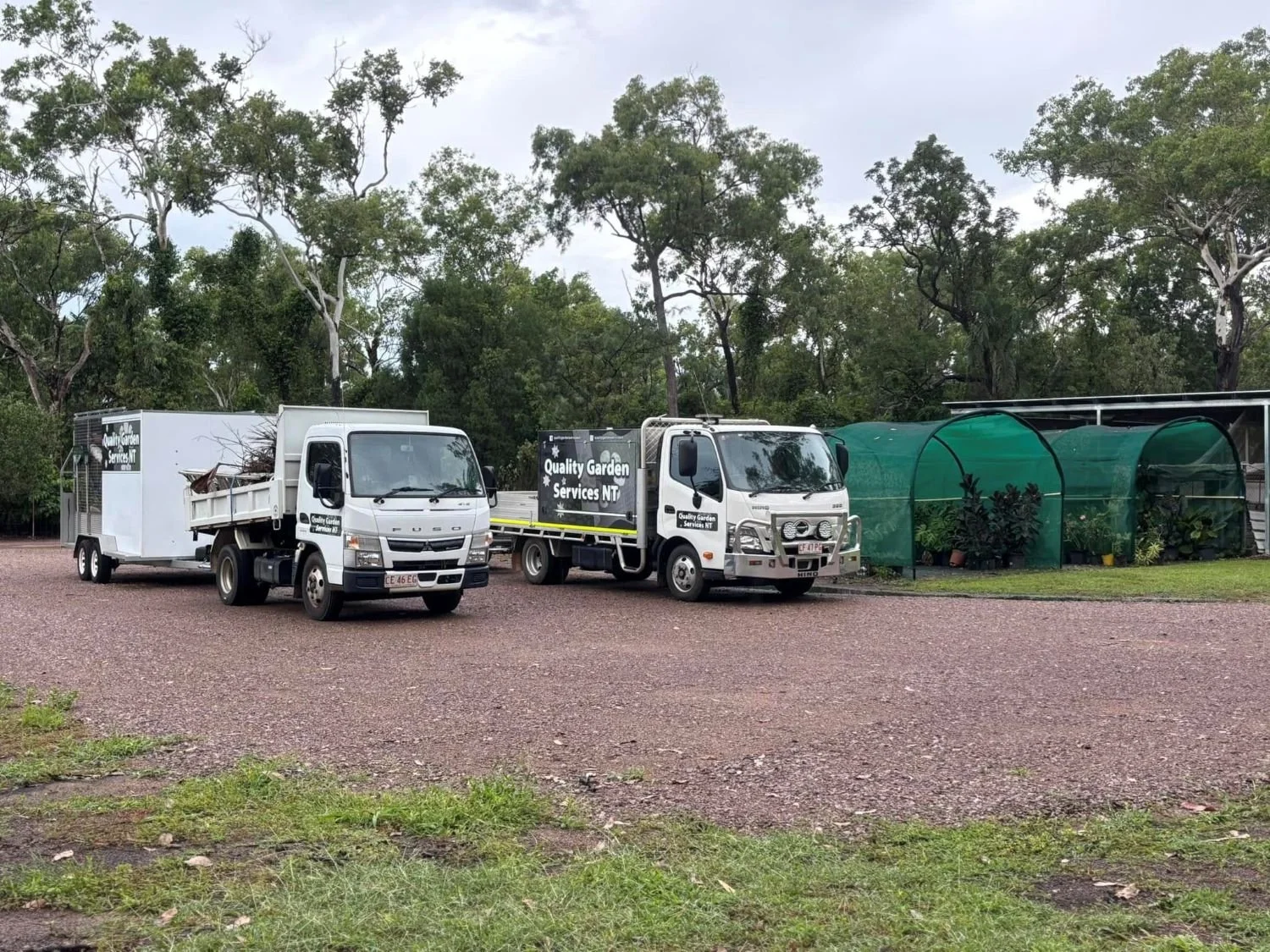
Quality Garden Services NT - Your trusted partner in creating lush, thriving outdoor spaces in the Northern Territory.
The build-up in Darwin is the most challenging and critical time for property owners to act. With soaring heat, humidity, storms, and the looming wet season, proactive turf, garden, and grounds management is essential to protect your investment, ensure safety, and set your property up for lush growth and resilience.
Introduction: Why the Build-Up Demands Your Attention
If you’ve lived in Darwin, Palmerston or Humpty Doo for more than a year, you know the build-up isn’t just another season—it’s a test of endurance for people, plants, and properties alike. As a local turf management, grounds, and garden maintenance business, we’ve seen firsthand how the transition from the dry season to the wet can make or break a property’s health and appearance. In 2026, with climate patterns as unpredictable as ever, it’s more important than ever to prepare your property for what’s coming.
This comprehensive guide will walk you through everything you need to know and do to help your property not just survive, but thrive, as the build-up arrives. We’ll cover the unique climate challenges, the science behind turf and garden care in the tropics, and the practical steps you can take—backed by local expertise and the latest horticultural research.
1. Understanding the Build-Up: Darwin’s Most Challenging Season
What Is the Build-Up?
The build-up is Darwin’s infamous transition period between the dry season and the wet. Typically spanning from October to December, it’s marked by:
Soaring temperatures: Daytime highs regularly reach 33–34°C, with nights rarely dropping below 25°C.
Rising humidity: Relative humidity climbs from 69% in October to 76% by December, making the air feel heavy and oppressive.
Spectacular electrical storms: Afternoon and evening skies light up with thunder and lightning, but rainfall is erratic—some areas get drenched, others stay parched.
Cyclone season onset: From November, the risk of tropical cyclones becomes real, demanding vigilance and preparation.
Unpredictable rainfall: October averages around 70mm, November 146mm, and December 255mm, but totals can swing wildly from year to year.
How the Build-Up Differs from the Dry and Wet Seasons
Dry Season (May–September): Cool, clear, and low humidity. Lawns and gardens need regular irrigation, but maintenance is relatively straightforward.
Build-Up (October–December): Heat and humidity spike, storms become frequent, and the first heavy rains arrive. Growth accelerates, but so do weeds, pests, and diseases.
Wet Season (January–April): Monsoonal rains set in, bringing sustained downpours, lush growth, and sometimes flooding.
Why It Matters:
The build-up is a period of extremes—plants and turf are stressed by heat and humidity, but also poised for explosive growth if managed well. It’s also when property damage from storms and cyclones is most likely, making preparation essential.
2. Why the Build-Up Is the Most Critical Time for Property Owners
The build-up is Darwin’s “make or break” season for property maintenance.
Here’s why:
Rapid Growth and Stress: Lawns and gardens shift from dry-season dormancy to rapid growth, but the heat and humidity can also cause stress, disease, and pest outbreaks.
Storm and Cyclone Risk: Unprepared trees, loose items, and clogged drains can turn minor storms into major property hazards.
Weed and Pest Proliferation: Warm, wet conditions are perfect for weeds, armyworms, lawn grubs, and fungal diseases.
Water Management Challenges: Rainfall is unpredictable—too little and your turf suffers, too much and you risk waterlogging and nutrient loss.
Key Finding:
Acting early in the build-up—before the first big storms and heavy rains—gives your property the best chance to withstand the season’s challenges and emerge healthy and beautiful when the wet arrives.
3. Turf and Lawn Management: Building Resilience from the Ground Up
Choosing the Right Grass Varieties
Not all grasses are created equal in Darwin’s tropical climate. The right choice can mean the difference between a lush, resilient lawn and a patchy, weed-infested mess.
Top Performers for Darwin’s Build-Up

Expert Tip:
For most Darwin properties, Queensland Blue Couch or Green Couch/Bermuda are the best bets. They handle the heat, humidity, and rapid growth of the build-up, and recover quickly from wear.
Mowing: Frequency, Height, and Best Practices
Increase mowing frequency as the build-up progresses—lawns grow faster with warmth and rain.
Maintain a higher mowing height (don’t scalp!) to protect roots from heat and reduce weed invasion.
Leave clippings on the lawn (unless disease is present) to return nutrients and help retain soil moisture.
Pro Tip:
Sharp mower blades make cleaner cuts, reducing stress and disease risk.
Fertilisation: Timing and Types
Apply slow-release, balanced fertiliser at the start of the wet season (early build-up). Focus on nitrogen for growth, but also include phosphorus and sulphur—NT soils are often deficient.
Add organic matter (well-rotted compost or manure) to improve soil structure and nutrient retention.
Fertilise just before expected rainfall to help nutrients penetrate the soil.
Warning:
Over-fertilising can lead to nutrient runoff during heavy rains—less is often more.
Irrigation: Adjusting for the Season
Gradually reduce watering as rainfall increases, but don’t stop too soon—early build-up rains can be patchy.
Water early in the morning to minimise evaporation and fungal risk.
Check irrigation systems for leaks and uniform coverage; repair promptly.
Weed Management: Staying Ahead of the Invasion
Dense turf is your best defence—healthy lawns crowd out weeds.
Hand-weed or spot-treat with appropriate herbicides early in the build-up, before weeds set seed.
Avoid scalping the lawn, which creates bare patches for weeds to invade.
Pest and Disease Management: Vigilance Pays Off
Armyworm and lawn grubs are common during humid periods—watch for chewed leaves and bare patches.
Fungal diseases spike with humidity—improve air circulation, avoid overwatering, and don’t mow when grass is wet.
Remove excess thatch and avoid excessive nitrogen fertilisation.
4. Garden Bed and Grounds Maintenance: Preparing for Growth and Storms
Pruning and Trimming: Safety and Plant Health
Prune and trim trees and shrubs to remove dead, weak, or overhanging branches—these can become dangerous projectiles in storms or cyclones.
Thin dense canopies to allow wind to pass through, reducing the risk of uprooting.
Engage qualified arborists for large or high-risk trees—professional assessment can prevent costly damage.
Key Finding:
Pre-season pruning is one of the most effective ways to reduce cyclone damage risk.
Managing Tropical Plants and Garden Beds
Choose native and cyclone-resistant species—they’re better adapted to local conditions and less likely to suffer storm damage.
Secure loose garden ornaments, pots, and lightweight structures that could become airborne.
Schedule new plantings early in the build-up so roots can establish before heavy rains and storms arrive.
Mulching: The Secret Weapon for Moisture and Weed Control
Apply a 5–10 cm layer of organic mulch (wood chips, straw, composted bark) around plants and over garden beds.
Keep mulch away from plant stems to prevent rot.
Check mulch regularly for compaction or fungal growth, and replenish as needed.
Adding Organic Matter: Building Soil Health
Incorporate well-rotted compost or manure into garden beds before the wet season.
Healthy soil retains moisture, supports beneficial microbes, and helps plants withstand stress.
5. Drainage and Stormwater Preparation: Preventing Floods and Root Rot
Clearing Gutters, Downpipes, and Drains
Remove leaf litter, palm fronds, and debris from all gutters, downpipes, and garden drains.
Check regularly—blockages can cause flooding and water damage during intense rainfall.
Inspecting and Improving Low-Lying Areas
Identify areas prone to waterlogging in lawns and garden beds.
Improve drainage by raising beds, adding gravel or sand layers, or creating swales to direct water away from structures.
Directing Stormwater Runoff
Ensure stormwater is directed away from buildings and garden beds to prevent erosion and root rot.
Maintain stormwater management systems—broken pipes or blocked channels can cause major headaches during the wet.
6. Pest and Disease Control in Garden Beds: Staying One Step Ahead
Weekly Inspections: The Early Bird Catches the Pest
Inspect plants weekly for signs of insect pests (caterpillars, aphids) and fungal diseases (powdery mildew, root rot).
Look for chewed leaves, discoloured spots, or wilting—early detection makes control easier.
Integrated Pest Management: Smart, Eco-Friendly Solutions
Use targeted treatments such as eco-friendly pesticides and fungicides.
Remove affected plant material promptly to prevent spread.
Maintain good airflow through regular pruning and proper plant spacing.
Mulch and Soil Health: Natural Defences
Healthy soil and mulch layers can suppress some pests and diseases by promoting beneficial organisms.
7. Irrigation System Checks: Efficiency and Adaptation
Inspecting and Testing Systems
Check all irrigation lines, sprinklers, and drip systems for leaks, blockages, or damage.
Ensure even water distribution—dry spots can stress plants, while overwatered areas invite disease.
Adjusting for the Season
Adjust timers for seasonal changes in rainfall and evaporation.
Consider installing rain sensors or smart controllers to avoid overwatering during the wet season.
Manual Watering
Water early in the morning for areas not covered by irrigation—this reduces evaporation and fungal risk.
8. Cyclone Preparation for Grounds: Safety First
Pre-Cyclone Clean-Up
Participate in the City of Darwin’s annual pre-cyclone clean-up to dispose of green waste, loose branches, and unwanted items.
Only eligible items are collected—manage garden waste separately if needed.
Securing Outdoor Items
Tie down or store away garden furniture, tools, and equipment.
Remove or secure shade sails, trellises, and other structures that could be damaged or cause damage during high winds.
Emergency Waste Disposal
Use designated facilities for green waste disposal before the wet season—regular collection may be disrupted during cyclone recovery.
Post-Cyclone Recovery
Clear fallen branches, check for damaged trees, and repair irrigation and drainage systems as soon as it’s safe to do so.
9. The Build-Up Maintenance Checklist: Your Seasonal Action Plan

10. Local Expertise: Why Professional Help Makes a Difference
The build-up is not the time for guesswork. As a Darwin-based turf management and garden maintenance business, we bring:
Local knowledge: We understand the unique challenges of Darwin’s climate and soils.
Expertise in tropical horticulture: Our team is trained in the latest best practices for turf, garden, and grounds care.
Professional equipment: From precision mowers to smart irrigation systems, we have the tools to do the job right.
Safety focus: We’re experienced in cyclone preparation and recovery, ensuring your property is as safe as possible.
Key Takeaway:
Investing in professional maintenance now can save you thousands in repairs and lost value later.

11. Conclusion: Act Now for a Resilient, Beautiful Property
The build-up is coming—ready or not. But with the right preparation, your property can not only survive, but thrive, through Darwin’s most challenging season. From lush, resilient lawns to safe, storm-ready gardens, the steps you take now will pay dividends all year long.Don’t wait for the first storm or the first outbreak of pests to act.
Contact our team today for a tailored build-up maintenance plan, expert advice, and the peace of mind that comes from knowing your property is in the best possible hands.
Summary Box: Build-Up Survival Essentials
Start early: Don’t wait for the first storm—prepare now.
Choose the right grass: Queensland Blue Couch or Green Couch/Bermuda for most lawns.
Mow smart: Increase frequency, maintain height, leave clippings.
Fertilise and mulch: Use slow-release fertiliser and organic mulch.
Check irrigation: Adjust for rainfall, fix leaks, consider smart controllers.
Prune and secure: Remove risky branches, secure loose items, engage arborists for big trees.
Clear drains: Prevent flooding and waterlogging.
Inspect for pests and disease: Weekly checks and eco-friendly treatments.
Prepare for cyclones: Participate in clean-ups, secure property, plan for recovery.
Get professional help: Local expertise makes all the difference.
Final Thoughts
Darwin’s build-up is a season of challenge and opportunity. With proactive care, expert guidance, and a little local know-how, your property can weather the storms, beat the heat, and burst into life when the wet arrives. We’re here to help—every step of the way.
If you’re in Darwin, Palmerston, Humpty Doo or the rural areas and looking for reliable, trusted garden & grounds maintenance services, look no further than Quality Garden Services NT.
We specialize in turf management, grounds maintenance, and garden care in Darwin and the Northern Territory.
Contact us today (0498649535) to learn more about how wetting agents can transform your lawn!
At Quality Garden Services NT, we understand how important it is to maintain a lush, healthy lawn and vibrant garden in Darwin’s unique climate.
Why Choose Us?
Choosing the right grounds maintenance and gardening service is crucial for the health and appearance of your property. Here’s why we stand out:
Local Expertise: Our team is familiar with the unique climate and soil conditions of the Darwin, Palmerston, Humpty Doo and surrounding areas. We know what works best for your gardens and lawns.
Quality Service: We are committed to delivering high-quality work. Our goal is to exceed your expectations, leaving you with well-maintained outdoor spaces.
Customer Satisfaction: Your satisfaction is our priority. We take the time to listen to your needs and tailor our services accordingly - be it for commercial or private properties.
Thank you for visiting our website!