
Long Term Game: What to Plant Now in Darwin?
Darwin, Palmerston and Humpty Doo, all located in the Northern Territory of Australia, are renowned for their tropical climate, lush greenery, and vibrant landscapes.
With distinct seasons – the wet and dry – gardening and turf management in Darwin require a strategic approach to ensure that plants thrive year-round. As the wet season begins, it’s the perfect time to think long term and decide what to plant now so that you can enjoy a flourishing garden or landscape a year from now.
This blog post will guide you on what to plant now in Darwin, considering the wet season's benefits, growth timelines, space considerations, and some additional tips to help your garden thrive.
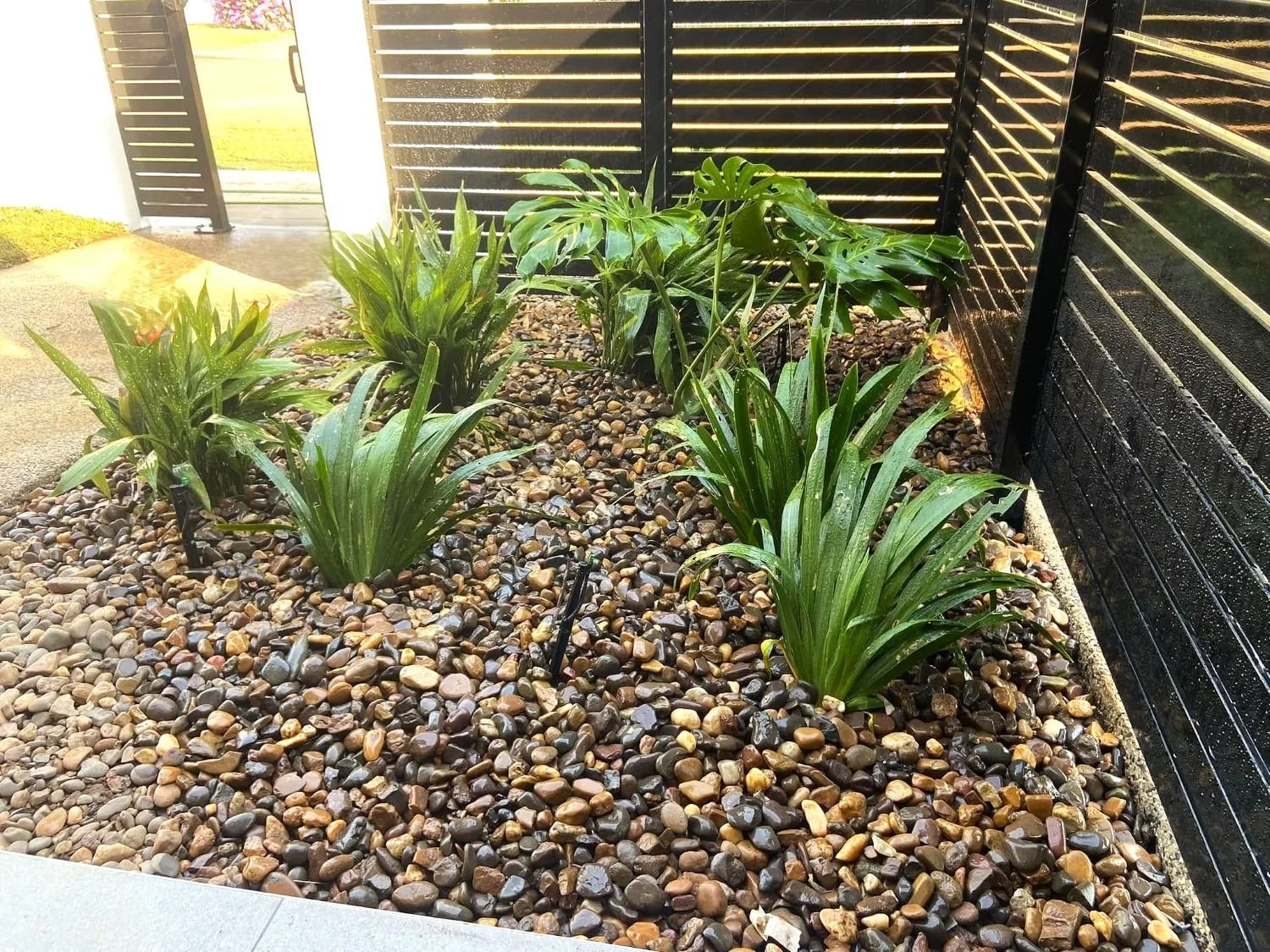
Darwin’s Climate and the Importance of Timing
Darwin has two main seasons:
The Wet Season (November to April) – Characterized by heavy rainfall, high humidity, and warm temperatures.
The Dry Season (May to October) – Marked by cooler temperatures and minimal rainfall.
The wet season is ideal for planting because the consistent rains and warm weather encourage rapid plant growth and strong root development. By planting now, you leverage nature’s irrigation system, giving your plants the best start possible. This means that by the time the dry season arrives, your plants will be well established and more drought-resistant.
What to Plant at the Start of the Wet Season
To enjoy a lush garden a year from now, you’ll want to focus on planting species that can benefit from the wet season’s moisture and have enough time to mature for the next dry season.
Below are some excellent choices for long-term growth in Darwin:
1. Native Trees and Shrubs
Native species are well-adapted to Darwin’s climate, making them low-maintenance and resilient. They thrive in the wet season and can endure the dry season once mature.
Suggestions:
Eucalyptus (Gum Trees):
Growth Timeline: 1-2 years for noticeable growth, but full maturity takes longer.
Why Plant It? Hardy and iconic, gum trees provide shade and attract native wildlife like birds and bees.
Space Consideration: These trees can grow tall and wide, so plant them with plenty of space around them.
Kakadu Plum (Terminalia ferdinandiana):
Growth Timeline: About 1-2 years to establish and fruiting within 3-5 years.
Why Plant It? This native tree produces small green fruits rich in Vitamin C and is valued in bush tucker.
Space Consideration: Allow room for the tree to reach up to 10 meters in height.
Grevilleas:
Growth Timeline: Fast-growing; flowers appear within the first year.
Why Plant It? Grevilleas are great for attracting native birds and pollinators.
Space Consideration: These shrubs can vary in size, so choose species based on your garden space.
2. Fruit Trees
The wet season is the ideal time to plant fruit trees, as they need consistent water to establish strong roots. Planting them now ensures they’ll start producing fruit in the coming years.
Suggestions:
Mango Trees:
Growth Timeline: Can take 3-5 years to bear fruit.
Why Plant It? Mangoes are synonymous with Darwin and thrive in the tropical climate. Their delicious fruit makes the wait worthwhile.
Space Consideration: Mango trees grow large, so give them at least 10 meters of spacing.
Banana Plants:
Growth Timeline: About 1 year to produce fruit.
Why Plant It? Quick to grow, bananas are perfect for a tropical garden. They add a lush aesthetic with their large leaves.
Space Consideration: Bananas are not trees but giant herbs, so plant them in groups for better yield and leave space for their spreading habit.
Papaya (Pawpaw):
Growth Timeline: Fruiting can occur within 6-12 months.
Why Plant It? Papayas are fast-growing and provide delicious, nutritious fruit. They’re also great if you’re looking for an easy-to-grow option.
Space Consideration: Papaya plants are relatively compact but still need some space for airflow and sunlight.
Citrus Trees (Lemon, Lime, Orange):
Growth Timeline: 2-3 years to bear fruit.
Why Plant It? Citrus trees are versatile and thrive in Darwin’s climate. Limes and lemons, especially, are hardy and productive.
Space Consideration: Citrus trees can be pruned to manage their size, making them suitable for smaller gardens.
3. Tropical Vegetables and Herbs
If you’re looking for faster results, consider planting vegetables and herbs that thrive in the wet season. While they won’t take a year to grow, they provide satisfaction as you wait for your longer-term projects to flourish.
Suggestions:
Taro:
Growth Timeline: 8-12 months to harvest.
Why Plant It? A staple in many tropical diets, taro thrives in the wet conditions and offers a starchy root vegetable.
Space Consideration: Requires a moist area with consistent water.
Cassava:
Growth Timeline: Around 12 months to harvest.
Why Plant It? Hardy and drought-tolerant once established, cassava is a great option for long-term vegetable gardening.
Space Consideration: Requires space for sprawling growth.
Sweet Potatoes:
Growth Timeline: 4-6 months to harvest.
Why Plant It? Sweet potatoes are quick to grow and thrive in Darwin’s climate. Plus, they provide both edible leaves and tubers.
Space Consideration: They spread quickly, so give them plenty of room or grow them in a dedicated bed.
Cucumbers and Pumpkins:
Growth Timeline: 3-6 months to harvest.
Why Plant It? These sprawling vines thrive in the wet season and can be trellised to save space.
Space Consideration: Allow room for vines to spread or provide trellises for vertical growth.
4. Ornamental Plants
For those focused on aesthetics, ornamental plants are a great choice. They add beauty to your garden and often attract pollinators.
Suggestions:
Frangipani:
Growth Timeline: Moderate; flowers within 2-3 years.
Why Plant It? Frangipani trees are iconic in tropical gardens, with their fragrant and vibrant flowers.
Space Consideration: Compact and manageable, they’re perfect for smaller spaces or as feature trees.
Hibiscus:
Growth Timeline: Flowers within the first year.
Why Plant It? Hibiscus plants produce stunning, colorful flowers and thrive in the wet season.
Space Consideration: Great as hedges or standalone feature plants.
Golden Cane Palm:
Growth Timeline: Slow to moderate; noticeable growth within 1-2 years.
Why Plant It? These low-maintenance palms provide a lush, tropical feel and can be used as privacy screens.
Space Consideration: Suitable for small to medium spaces, as they cluster rather than sprawl.
Tips for Planting During the Wet Season
Prepare Your Soil:
Darwin’s soils can be sandy or clay-heavy, so enrich your soil with compost or organic matter before planting. This ensures better water retention and nutrient availability.
Choose the Right Location:
Consider sunlight, shade, and drainage when planting. Some plants, like papayas, prefer full sun, while others, like bananas, can tolerate partial shade.
Space Wisely:
Always account for the mature size of your plants. Overcrowding can lead to poor airflow, which increases the risk of pests and diseases.
Take Advantage of Mulch:
Mulch helps retain moisture, suppress weeds, and regulate soil temperature. Use organic mulch like sugarcane or wood chips.
Fertilize Regularly:
Plants grow quickly during the wet season, so feed them with a balanced fertilizer to support their development.
Keep an Eye on Drainage:
While the wet season brings plenty of rain, excessive waterlogging can harm plants. Ensure your garden beds have proper drainage to avoid root rot.
Additional Suggestions for a Year-Long Plan
If you want a beautiful and functional garden a year from now, here’s a planting strategy to consider:
Begin with a Mix:
Plant a combination of native trees, fruit trees, and fast-growing vegetables. This ensures you’ll have something to enjoy in both the short and long term.
Create Layers:
Use a layered approach to your garden. For example, plant tall trees, medium shrubs, and ground-covering vegetables. This maximizes space and creates a natural ecosystem.
Don’t Forget Ornamentals:
Add pops of color with flowers like hibiscus or frangipani to make your garden visually appealing.
Plan for Wildlife:
Incorporate plants that attract birds, bees, and butterflies. Native species like grevilleas and golden canes are perfect for this.
Be Patient:
Gardening is a long-term investment. While some plants, like papayas and bananas, grow quickly, others, like mangoes and gum trees, require patience. The reward is a thriving, beautiful garden that reflects your efforts.

Final Thoughts
The wet season in Darwin and the Rural Areas around Humpty Doo offers a golden opportunity to set the stage for a lush, thriving garden. By selecting the right plants, preparing your soil, and planning for growth, you’ll have a beautiful outdoor space to enjoy a year from now.
Focus on native species, fruit trees, and tropical vegetables to make the most of Darwin’s unique climate.
Remember, gardening isn’t just about the end result – it’s also about the journey. Watching your plants grow, flourish, and transform your space is a deeply rewarding experience. So, put on your gardening gloves, embrace the wet season, and start planting for the long term. By this time next year, you’ll be reaping the rewards of your hard work and enjoying the lush, tropical paradise you’ve created.
If you’re in Darwin and need professional lawn care services, don’t hesitate to reach out to Quality Garden Services NT. With our expertise in turf management and garden maintenance, we’ll help you keep your grass under control, no matter the season. Let’s work together to ensure your lawn remains the envy of the neighborhood!
Quality Garden Services NT provides comprehensive services including lawn care, pruning, weed control, mulching, turf management and irrigation checks, all tailored to your property’s specific needs. Our team of experienced professionals is dedicated to keeping your property in top condition year-round, regardless of the season. We’re not just about making your garden look good—we’re about creating a lasting impression for your clients, residents, and visitors.
If you’re in Darwin, Palmerston, Humpty Doo or the rural areas and looking for reliable, trusted garden & grounds maintenance services, look no further than Quality Garden Services NT.
We specialize in turf management, grounds maintenance, and garden care in Darwin and the Northern Territory.
Contact us today (0498649535) to learn more about how wetting agents can transform your lawn!
At Quality Garden Services NT, we understand how important it is to maintain a lush, healthy lawn and vibrant garden in Darwin’s unique climate.
Why Choose Us?
Choosing the right grounds maintenance and gardening service is crucial for the health and appearance of your property. Here’s why we stand out:
Local Expertise: Our team is familiar with the unique climate and soil conditions of the Darwin, Palmerston, Humpty Doo and surrounding areas. We know what works best for your gardens and lawns.
Quality Service: We are committed to delivering high-quality work. Our goal is to exceed your expectations, leaving you with well-maintained outdoor spaces.
Customer Satisfaction: Your satisfaction is our priority. We take the time to listen to your needs and tailor our services accordingly - be it for commercial or private properties.
Thank you for visiting our website!