
What Commercial Properties Should Be Doing During Darwin’s Dry Season
Quality Garden Services NT - Your trusted partner in creating lush, thriving outdoor spaces in the Northern Territory.
Darwin’s dry season (May–October) brings unique challenges for commercial property grounds—intense sun, near-zero rainfall, strong winds, and strict legal obligations. Proactive, scheduled maintenance is essential to keep your property safe, compliant, attractive, and cost-effective.

Introduction: The Dry Season in Darwin—Why It Demands Proactive Grounds Management
If you manage a commercial property in Darwin, Palmerston or Humpty Doo—whether it’s a business park, school, body corporate, retail centre, or government facility—you know the Top End’s dry season is both a blessing and a challenge.
From May to October, Darwin transforms: the skies clear, humidity drops, and the relentless wet season storms give way to crisp, sunny days. But with this comes a new set of pressures for anyone responsible for grounds and garden maintenance.
Darwin’s dry season climate at a glance:
Timing: May to October
Rainfall: Near-zero (as little as 1–20 mm per month)
Temperatures: Daytime highs of 30–33°C, cooler nights (down to 19°C)
Humidity: Afternoon levels as low as 37%
Winds: Strong south-easterlies, 17–21 km/h in the afternoons
Sunshine: 9–10 hours per day, high UV
These conditions mean that turf, gardens, and landscapes are under constant stress. Soil dries and cracks, vegetation becomes brittle, and dust is ever-present. The risks of neglect are real: not only can you face costly repairs and loss of property value, but you’re also exposed to serious Work Health and Safety (WHS) liabilities and legal penalties—especially around fire risk and trip hazards.
The good news?
With the right dry season strategy, you can keep your property looking sharp, safe, and compliant—while actually saving money in the long run.
Understanding the Dry Season’s Impact on Your Grounds
How the Dry Season Affects Turf, Soil, and Vegetation
Turf Health:
During the dry season, turf faces moisture stress as rainfall disappears and evaporation soars. Without regular, deep irrigation, even the hardiest lawns can brown off or enter dormancy. Soil compaction increases, making it harder for roots to access what little water is available. Some grass types, like Buffalo and Zoysia, cope well with drought, while others, like Couch, need more attention.
Soil Conditions:
Dry season soils in Darwin quickly lose moisture, becoming hard, compacted, and prone to cracking. This not only stresses plants but also creates uneven surfaces—prime territory for trip hazards. Nutrient depletion is common, as dry soils make it harder for plants to access essential minerals.
Vegetation Dryness and Fire Fuel:
Trees, shrubs, and garden beds can suffer die-back, dropping leaves and branches that accumulate as dry fuel. This increases the risk of fire—especially if not regularly cleared. Dense, unpruned vegetation can also become a liability under NT fire regulations.
Dust Generation:
With strong winds, low humidity, and bare soil patches, dust becomes a major issue. It settles on buildings, cars, and walkways, creating both a presentation problem and a health risk—especially if silica dust is present.
Darwin’s Common Commercial Turf Species and Their Dry Season Response
Buffalo (Tropical Buffalo/Kings Pride):
Highly drought-tolerant, stays green longer, copes with shade, and needs less mowing. Ideal for shaded or low-maintenance areas.Couch (Greenlees Park):
Excellent drought and wear tolerance, but needs full sun and regular mowing. Will brown off quickly if not irrigated.Zoysia:
Very high drought tolerance, deep roots, slow growth (less mowing), and good shade tolerance. Maintains density and colour with less water.
Key Insight:
Choosing the right turf species—and managing them correctly—can make a huge difference to your property’s resilience and appearance during the dry season.
WHS Risks and Legal Obligations: What Every Property Manager Must Know
Fire Risk and NT Legal Obligations
Darwin’s dry season is bushfire season. Under NT law, all commercial property owners must establish and maintain a firebreak at least 4 metres wide around the entire perimeter of their property, as well as around any permanent structure, flammable material, or stationary engine. Grass within firebreaks must be kept no taller than 50mm. These firebreaks must be in place by 1 June each year.
The NT Fire and Rescue Service also recommends an 8-metre firebreak around houses and permanent structures for added safety. Gamba grass—a notorious fire risk—must be controlled within 15 metres of all property boundaries, driveways, and structures. For smaller land parcels, eradication is required.
Failure to comply can result in fines and enforcement action.
During declared fire danger periods, all permits to burn are void, and hot works (like welding or grinding) are banned in the open air.
Dust Hazards
Under NT WorkSafe guidelines, property owners and managers (PCBUs) have a duty to identify, assess, and control dust hazards—including silica dust from disturbed dry soils. Dust isn’t just a nuisance; it’s a health risk for workers, visitors, and the public, especially in high-traffic or construction areas.
Trip and Slip Hazards
Dry, cracked soils, exposed tree roots, uneven ground, dead vegetation, and poorly maintained pathways all become more hazardous in the dry season. Under WHS law, property owners must inspect and rectify these hazards to prevent injuries and legal liability.
General WHS Duty of Care
Whether you’re a business, school, body corporate, or government agency, you have a legal obligation to maintain safe grounds for everyone on your property. This includes regular inspections, prompt repairs, and clear documentation of maintenance activities.
Key Finding:
WHS compliance isn’t optional. Proactive grounds maintenance is your best defence against legal risk, injury claims, and costly emergency repairs.
Presentation Standards by Property Type
1) Business and Industrial Sites
Kerb Appeal and Professionalism:
First impressions matter. Well-mown lawns, tidy garden beds, and clean pathways signal professionalism to clients, staff, and visitors. Regular weed control and mulching keep beds vibrant and healthy.
Safety Compliance:
Clear, hazard-free walkways and driveways are essential. Regular inspections for trip hazards and prompt rectification are required to meet WHS obligations.
Site Cleanliness:
Routine removal of debris, dry leaves, and litter prevents unsightly build-up and reduces fire risk. Pressure cleaning of hard surfaces removes dust and stains.
2) Schools
Duty of Care:
Schools must provide safe, hazard-free grounds for students and staff. This means regular inspections, prompt repairs, and clear documentation.
Sports Oval Maintenance:
Scheduled mowing, aeration, and fertilisation keep ovals safe and playable. Adjust mowing height to retain moisture and reduce turf stress.
Shade Tree Management:
Pruning and health checks of shade trees prevent limb drop and maintain safe, shaded play areas.
3) Body Corporates (Strata Properties)
Common Area Standards:
Regular mowing, edging, and garden care maintain property value and resident satisfaction. Consistent presentation of lawns and shared spaces is a key expectation.
Pressure Cleaning:
Regular cleaning of pathways, driveways, and communal areas prevents dust build-up and maintains safety.
Irrigation System Maintenance:
Regular checks and upgrades ensure efficient water use and healthy gardens.
4) Retail Centres
Customer-Facing Presentation:
High standards for lawns, gardens, and entryways attract and retain customers. Weed-free beds and clean, dust-free surfaces are essential.
Car Park and Pathway Maintenance:
Regular cleaning and maintenance prevent dust, debris, and trip hazards in high-traffic areas.
5) Government Properties
Compliance with Asset Management Standards:
Government properties must adhere to strict asset management and maintenance standards, including regular grounds care and safety inspections.
Fire Risk Management:
Removal of dry vegetation and establishment of firebreaks are essential during the dry season.
Public Presentation:
High standards for lawns, gardens, and public spaces reflect government image and meet community expectations.
Scheduled Maintenance Planning: Building a Robust Dry Season Program
A well-planned maintenance schedule is your best tool for keeping grounds safe, attractive, and compliant during the dry season.
Here’s what a comprehensive program should include:
Mowing
Reduce frequency: Turf growth slows in the dry, so mowing every 2–3 weeks is usually sufficient.
Raise mower blade height: Leaving grass longer shades the soil, reduces evaporation, and helps turf survive drought.
Avoid mowing in the heat of the day: This prevents additional stress on the grass.
Edging and Line Trimming
Maintain clean, tidy edges: This not only looks professional but also prevents weed encroachment into lawns and garden beds.
Weed Control
Apply pre-emergent herbicides: Prevents weed seeds from germinating.
Use targeted selective herbicides: Focus on invasive species that thrive in dry conditions.
Manual removal: For sensitive areas or where herbicide use is restricted.
Fertilising
Apply slow-release fertiliser early in the dry season: Supports turf health without promoting excessive growth or increasing water demand.
Avoid over-fertilising: Excess nutrients can stress turf and increase water needs.
Pruning Trees and Shrubs
Remove dead, dry, and overhanging branches early in the dry season: Reduces fire risk and improves plant health.
Schedule major pruning early: Allows plants to recover before peak heat.
Gutters and Roof Drains
Clear gutters of dry leaves and debris: Prevents fire risk and drainage issues when the wet season returns.
Green Waste Disposal
Dispose of all green waste and dry debris according to local council guidelines: Never let it accumulate on site, as it increases fire risk and can attract pests.
Key Takeaway:
Scheduled, preventative maintenance is always more cost-effective—and less stressful—than waiting for problems to arise.
Irrigation Management: Keeping Your Grounds Alive Through the Dry
Why Irrigation Is Critical
With near-zero rainfall for months on end, irrigation is the lifeline for your turf and gardens. Without it, even the toughest plants will struggle.
Best-Practice Irrigation Strategies
Deep, infrequent watering: Water every 7–21 days (depending on turf and soil type) to encourage deep root systems and drought resilience.
Timing: Water early in the morning or late in the afternoon to minimise evaporation losses.
Smart irrigation systems: Install controllers with soil moisture sensors and use zoned systems tailored to different landscape areas.
System maintenance: Inspect and repair all irrigation heads, pipes, valves, and controllers for leaks or inefficiencies. The dry season is the best time to identify and fix problems before the wet season arrives.
Compliance: Always adhere to NT Power and Water Corporation water restrictions.
Drip irrigation for garden beds: This is a water-efficient solution that delivers moisture directly to plant roots.
Pro Tip:
Investing in smart irrigation pays for itself through reduced water bills and healthier, more resilient landscapes.
Dust Control: Protecting Health, Presentation, and Compliance
Why Dust Is a Major Issue in Darwin’s Dry Season
Strong winds, low humidity, and bare soil patches mean dust is everywhere during the dry. It settles on buildings, cars, and walkways, creating both a presentation problem and a health risk—especially if silica dust is present.
Practical Dust Control Measures
Maintain continuous turf and plant cover: Healthy lawns and gardens are the best defence against dust.
Apply hydromulch or spraygrass to bare areas: These products establish rapid ground cover and suppress dust.
Mulch garden beds: Apply organic mulch (5–10cm deep) to retain soil moisture and prevent dust lift.
Water down exposed soil and gravel areas in high-traffic zones: This provides temporary dust suppression.
Reseed or returf bare patches promptly: Don’t let small bare spots become big dust problems.
Car parks: Consider whether exposed aggregate or bare gravel areas can be managed or sealed to reduce dust.
Health Note:
Dust control isn’t just about appearance—it’s a WHS requirement to protect workers and visitors from respiratory hazards.
Managing Dry Vegetation and Fire Risk: Meeting Your Legal and Safety Obligations
Fire Fuel Loads: The Hidden Danger
Dry season conditions mean that grass, leaves, and branches accumulate quickly, creating a dangerous fire fuel load. This is a major risk for all commercial properties—especially those near bushland or with large landscaped areas.
Legal Firebreak Obligations (Reiterated)
4-metre firebreak around the entire property perimeter and around all permanent structures, flammable materials, and stationary engines
Grass within firebreaks no taller than 50mm
Firebreaks must be in place by 1 June each year
Gamba grass must be controlled within 15 metres of all boundaries, driveways, and structures
Practical Fire Risk Reduction Steps
Regular removal of dry grass clippings, fallen branches, leaf litter, and dead vegetation from all areas
Proper green waste disposal—never let it accumulate on site
Thinning dense shrub growth and pruning trees to remove deadwood
Roof gutter cleaning—dry leaves are a fire risk to buildings
Pre-wet season clean-up: Conduct a thorough clean-up before October to minimise dry fuel ahead of the storm season.
Check fire danger period declarations: Remember, all permits to burn are void during a fire ban.
Key Reminder:
Fire risk management is not just best practice—it’s the law. Non-compliance can result in fines, liability for fire damage, and reputational harm.
Budgeting for Dry Season Grounds Maintenance: Planning for Savings and Compliance
Why Budgeting Ahead Matters
The dry season is predictable—so are its challenges. Budgeting for regular, scheduled maintenance is not just smart; it’s essential for compliance, safety, and cost control.
Preventative vs Reactive Maintenance
Preventative maintenance: Regular, scheduled care prevents costly emergency repairs, WHS incidents, and legal penalties.
Reactive maintenance: Waiting for problems to arise almost always costs more—in money, time, and stress.
Scheduled Maintenance Contracts: The Smart Choice
Predictable costs: Know exactly what you’ll spend each month or quarter.
Consistent standards: Your property always looks its best and meets compliance requirements.
Reduced risk: Regular inspections and maintenance reduce the likelihood of WHS incidents, fire hazards, and costly emergency repairs.
Compliance assurance: Professional providers understand local laws and keep you on the right side of regulations.
Cost-Saving Strategies
Bundling services: Combine mowing, edging, pruning, weeding, irrigation checks, pressure cleaning, and dust suppression under one contract for economies of scale.
Multi-site operators: Group services across multiple properties for further savings.
Tailored packages: Adjust service frequencies and scope to match your budget and property size.
Special Considerations by Property Type
Body corporates: Dry season grounds maintenance costs are a legitimate and essential strata levy expenditure. Transparency with owners about the scope and cost of maintenance builds trust.
Schools and government: Scheduled contracts support compliance with duty of care and asset management obligations. They make budgeting predictable and help avoid unexpected expenditure.
Irrigation upgrades: Investment in smart controllers and drip systems pays for itself through reduced water bills and healthier turf that requires less repair.
Mulching garden beds: A one-off investment that reduces ongoing watering costs and labour.
Budgeting Tip:
The dry season is the best time to review your maintenance contracts and invest in upgrades that will save you money year-round.
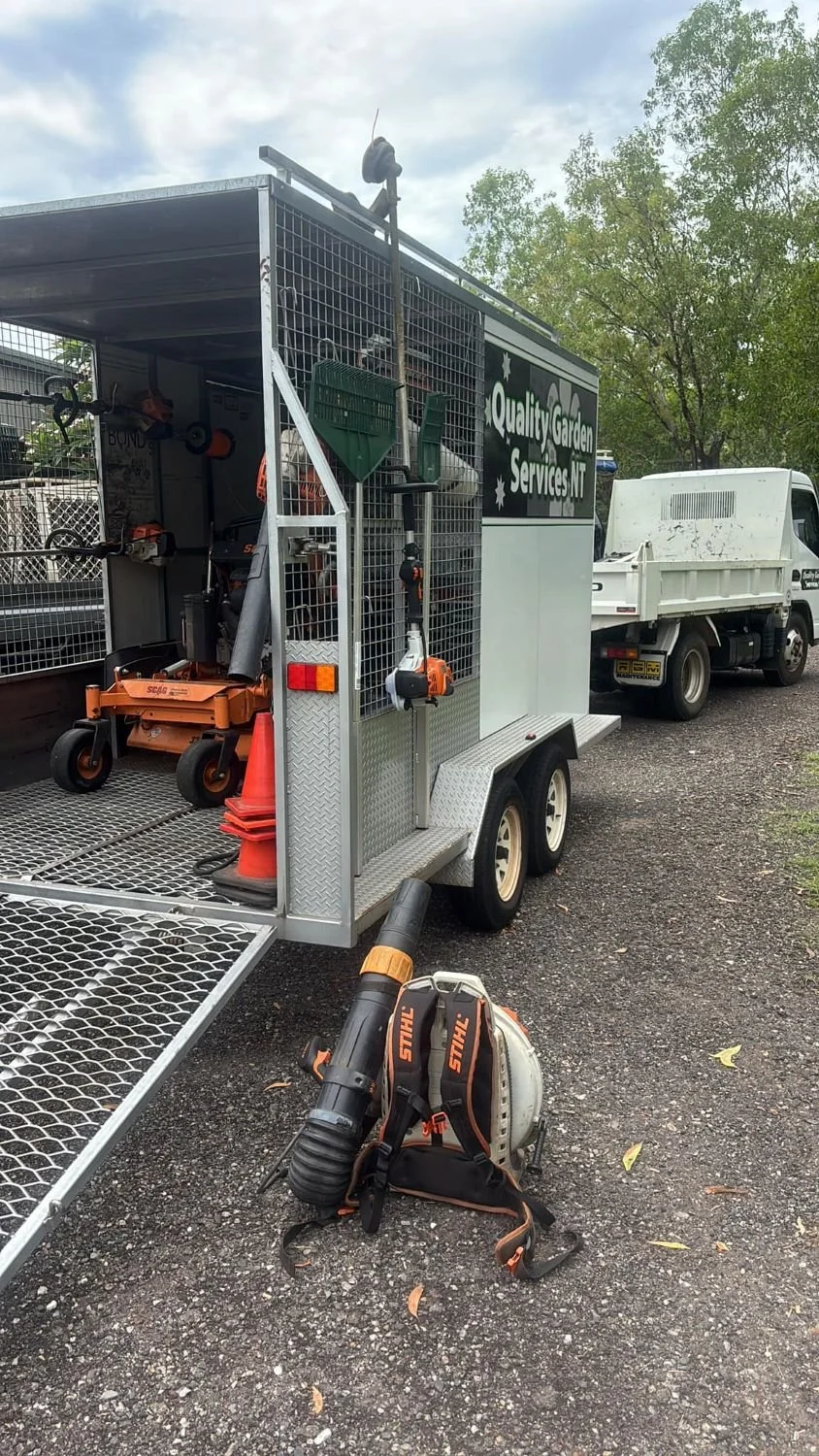
Conclusion and Call to Action: Make the Dry Season Work for Your Property
Darwin’s dry season is a time of opportunity for commercial property managers who plan ahead. With the right strategy, you can keep your grounds safe, compliant, and looking their best—while actually reducing long-term costs and risks.
Don’t wait for problems to arise.
The dry season is the ideal time to invest in your property’s presentation, safety, and resilience. Whether you manage a business park, school, strata complex, retail centre, or government facility, proactive grounds maintenance is your best defence against the Top End’s harshest months.
Ready to get your property dry season-ready?
Contact us today for a free site assessment and a tailored scheduled maintenance quote. Let’s work together to keep your grounds safe, compliant, and looking fantastic all dry season long.
About Us
At Quality Garden Services NT, we’re passionate about healthy soils and vibrant landscapes in Darwin. From turf management and grounds maintenance to garden renovations and soil health advice, our expert team is here to help you achieve your green goals—no matter the season.
If you’re in Darwin, Palmerston, Humpty Doo or the rural areas and looking for reliable, trusted garden & grounds maintenance services, look no further than Quality Garden Services NT.
We specialize in turf management, grounds maintenance, and garden care in Darwin and the Northern Territory.
Contact us today (0498649535) to learn more about how wetting agents can transform your lawn!
At Quality Garden Services NT, we understand how important it is to maintain a lush, healthy lawn and vibrant garden in Darwin’s unique climate.
Why Choose Us?
Choosing the right grounds maintenance and gardening service is crucial for the health and appearance of your property. Here’s why we stand out:
Local Expertise: Our team is familiar with the unique climate and soil conditions of the Darwin, Palmerston, Humpty Doo and surrounding areas. We know what works best for your gardens and lawns.
Quality Service: We are committed to delivering high-quality work. Our goal is to exceed your expectations, leaving you with well-maintained outdoor spaces.
Customer Satisfaction: Your satisfaction is our priority. We take the time to listen to your needs and tailor our services accordingly - be it for commercial or private properties.
Thank you for visiting our website!