
Children and Plants in Darwin – What to Consider: Family-Friendly Gardens in the Top End
Quality Garden Services NT - Your trusted partner in creating lush, thriving outdoor spaces in the Northern Territory.
Creating a child-safe, family-friendly garden in Darwin’s tropical climate is both rewarding and challenging. By understanding local plant risks, choosing safe and engaging species, and following best-practice garden design and safety principles, you can foster a vibrant outdoor space where children thrive and families connect with nature.
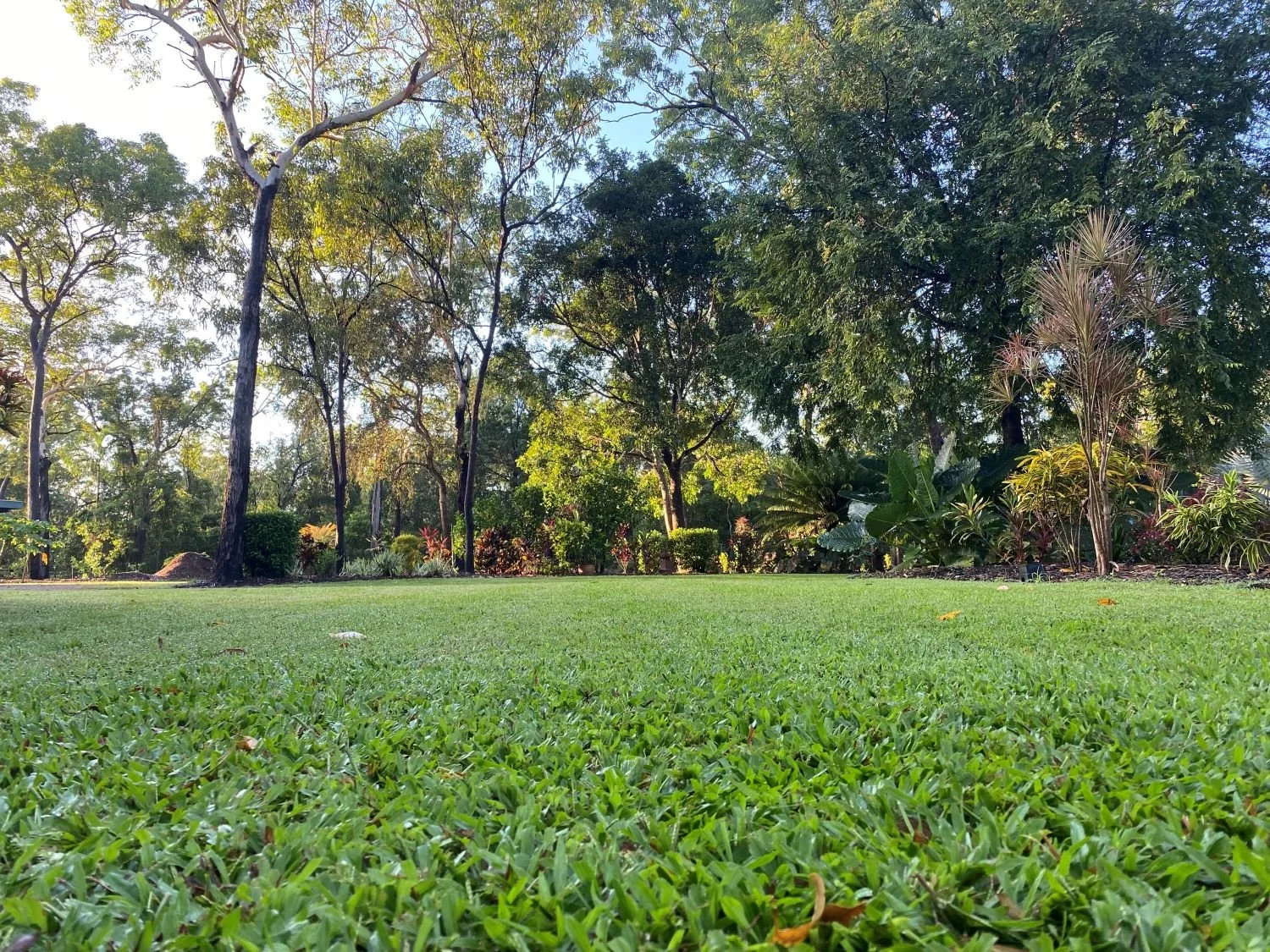
Table of Contents
Introduction: The Joys and Challenges of Gardening with Children in Darwin
Darwin’s Unique Tropical Climate: What It Means for Family Gardens
Dangerous and Toxic Plants in Darwin: What Every Parent Must Know
Child-Safe, Family-Friendly, and Native Plants for Darwin Gardens
Garden Design Principles for Families in Darwin
Comprehensive Dos and Don’ts for Child Safety in Darwin Gardens
Creating a Sensory and Educational Garden for Children
Seasonal Garden Management: Wet vs Dry Season Tips
Conclusion & Call to Action: Let’s Grow Safe, Happy Gardens Together!
1. Introduction: The Joys and Challenges of Gardening with Children in Darwin
Gardening with children is one of life’s great pleasures. In Darwin, Palmerston and Humpty Doo, the lush, tropical environment offers endless opportunities for kids to explore, learn, and play outdoors. But the Top End’s unique climate and plant life also present specific challenges for families.
From the intense wet and dry seasons to the presence of both beautiful and hazardous plants, creating a safe, engaging garden for children in Darwin requires local knowledge, careful planning, and a touch of creativity.
As a Humpty Doo-based turf management and garden maintenance business, we’ve helped countless families transform their outdoor spaces into safe, vibrant havens. In this comprehensive guide, we’ll share everything you need to know about children and plants in Darwin—covering plant safety, garden design, seasonal care, and expert tips for a thriving, family-friendly garden in 2026.
2. Darwin’s Unique Tropical Climate: What It Means for Family Gardens
Darwin’s climate is unlike anywhere else in Australia. Understanding its quirks is essential for successful, safe gardening with children.
The Wet and Dry Seasons
Wet Season (November–April):
Characterized by heavy rainfall, high humidity, and the risk of cyclones. Gardens can become waterlogged, and mosquitoes thrive in standing water.Dry Season (May–October):
Marked by lower humidity, minimal rainfall, and cooler nights. Plants must be drought-tolerant, and irrigation becomes crucial.
Key Climate Considerations for Family Gardens
Heat and UV:
Darwin’s sun is intense year-round. Children are especially vulnerable to sunburn and heat stress.Humidity:
High humidity supports lush growth but also increases the risk of fungal diseases and attracts pests.Soil Types:
Soils are often sandy or clayey, affecting drainage and plant selection.Cyclone Risk:
Strong winds can damage trees and structures—choose plants with robust root systems and flexible stems.
Key Finding:
Darwin’s climate demands careful plant selection, robust garden design, and seasonal management to keep children safe and gardens thriving.
3. Dangerous and Toxic Plants in Darwin: What Every Parent Must Know
Not all plants are safe for children. Some common species in Darwin and the NT can cause serious harm if touched or ingested.
Here’s what you need to know to keep your family safe.
Top Hazardous Plants in Darwin & Their Dangers

Important:
There are no reliable visual cues to identify poisonous plants. Always check plant labels, consult local experts, and teach children never to eat or touch unknown plants.
What to Do in Case of Exposure
If a child ingests or touches a suspicious plant:
Remove any plant material from the mouth or skin.
Rinse the affected area with water.
Call the NT Poisons Information Centre immediately: 13 11 26
If the child is unconscious or having difficulty breathing, call 000.
Prevention Tips
Remove or fence off known hazardous plants in areas accessible to children.
Regularly inspect your garden for new or unfamiliar plants, especially after storms or heavy rain.
Educate children about plant safety from an early age.
4. Child-Safe, Family-Friendly, and Native Plants for Darwin Gardens
The good news? Darwin’s climate supports a wealth of beautiful, non-toxic, and engaging plants perfect for family gardens.
Here are our top recommendations:
Top Child-Safe and Family-Friendly Plants for Darwin

Why These Plants Are Ideal
Non-Toxic: All listed plants are confirmed non-toxic or have edible parts, minimizing risk if children touch or taste them.
Hardy: Native and selected exotics are adapted to Darwin’s climate, tolerating rough play and minimal maintenance.
Sensory Value: Many offer tactile, visual, and olfactory experiences, supporting sensory development and curiosity.
Edibility: Edible plants provide safe opportunities for children to learn about food and nature.
Biodiversity: Native plants support local wildlife and pollinators, aligning with Darwin’s biodiversity goals.
Key Finding:
Choosing the right plants is the foundation of a safe, engaging, and low-maintenance family garden in Darwin.
5. Garden Design Principles for Families in Darwin
A well-designed garden is your best ally in keeping children safe and happy outdoors.
Here’s how to create a family-friendly garden in Darwin:
Fencing and Boundaries
Install secure fencing with self-closing gates to prevent children from wandering out or into hazardous areas (e.g., pools, driveways).
Ensure fences are high enough and have no footholds for climbing.
Raised Beds and Planting Zones
Use raised garden beds to keep plants at a manageable height for children and reduce exposure to soil-borne pathogens.
Separate play zones from planting areas to minimize accidental contact with potentially harmful plants or garden chemicals.
Safe Play Zones
Designate specific, visible play areas with soft-fall surfaces (mulch, rubber matting) to cushion falls.
Provide shade structures or plant shade trees to protect children from sun exposure.
Place play equipment away from hard edges, garden tools, or hazardous plants.
Visibility and Supervision
Arrange garden layouts for maximum visibility from the house or main outdoor areas.
Keep play areas within sight to support active supervision.
Water Feature Safety
Fence pools and install mesh screens just below the surface of ponds to prevent children from falling in.
Empty buckets and containers of water after use; never leave them unattended around young children.
6. Comprehensive Dos and Don’ts for Child Safety in Darwin Gardens
Creating a safe garden is about more than just plant selection.
Here’s a comprehensive checklist for families in Darwin:
Supervision
Do: Actively supervise children under five at all times outdoors; older children require supervision when using equipment.
Don’t: Rely solely on barriers or rules—active, engaged supervision is essential.
Plant Education
Do: Teach children not to eat or touch unknown plants.
Do: Involve children in gardening to foster respect and awareness.
Don’t: Assume children know which plants are safe—ongoing education is necessary.
Water Feature Safety
Do: Fence pools, mesh ponds, and empty water containers after use.
Don’t: Leave children unsupervised near any body of water, including ponds, fountains, or large birdbaths.
Insect and Pest Management
Do: Regularly inspect for and control mosquitoes, especially during the wet season.
Do: Use family- and pet-safe pest control methods for ticks, fleas, spiders, and other pests.
Do: Teach children to avoid touching unknown insects and to report bites or stings immediately.
Don’t: Allow water to stagnate in pots, trays, or garden features.
Heat and UV Protection
Do: Provide shaded play areas and encourage play during cooler parts of the day (early morning or late afternoon).
Do: Ensure children wear hats, long sleeves, and SPF 30+ sunscreen, reapplying regularly.
Do: Make sure children drink plenty of water and take frequent breaks in the shade.
Don’t: Allow children to play outdoors during peak heat hours (10 am–2 pm) or during heat health warnings.
Wildlife Awareness
Do: Be aware of local wildlife such as cane toads, snakes, and crocodiles; teach children not to touch or approach wildlife.
Do: Keep yards clear of rubbish and food scraps to avoid attracting pests and wildlife.
Don’t: Leave pets or children unsupervised in areas where dangerous wildlife may be present.
Tool and Chemical Storage
Do: Store garden tools, chemicals, and equipment securely out of children’s reach.
Do: Use child-sized gardening tools and gloves for supervised gardening activities.
Don’t: Allow children to operate or play with garden machinery or power tools.
Handwashing Hygiene
Do: Wash hands after gardening and before eating or drinking.
Don’t: Allow children to eat or drink with dirty hands after outdoor play.
7. Creating a Sensory and Educational Garden for Children
A garden can be a living classroom, sparking curiosity and supporting children’s development.
Here’s how to create a sensory and educational garden in Darwin:
Sensory Planting Ideas
Touch:
Sensitive Plant (Mimosa pudica): Leaves close when touched—fascinating for kids.
Boston Fern: Soft, feathery fronds.
Sight:
Sunflowers and Marigolds: Bright, cheerful blooms.
Native Hibiscus: Large, colourful flowers.
Taste:
Bush Apple, Kakadu Plum, Warrigal Greens: Safe, edible bush tucker.
Smell:
Lemon-scented native plants (e.g., Lemon Myrtle).
Sound:
Grasses and palms that rustle in the breeze.
Educational Activities
Planting and Harvesting:
Involve children in sowing seeds, watering, and picking edible plants.Wildlife Observation:
Watch for butterflies, birds, and lizards attracted by native plants.Nature Journaling:
Encourage kids to draw or write about what they see, hear, and feel in the garden.
Key Takeaway:
Sensory gardens foster creativity, mindfulness, and a lifelong love of nature.
8. Seasonal Garden Management: Wet vs Dry Season Tips
Darwin’s dramatic seasonal shifts require flexible garden care strategies, especially for families.
Wet Season (November–April)
Focus on drainage:
Use raised beds or mounds to prevent waterlogging.Mulch heavily:
Suppress weeds and retain soil structure.Monitor for pests:
Mosquitoes and fungal diseases thrive—remove standing water and check plants regularly.Secure loose items:
Prepare for cyclones by securing garden furniture and checking tree stability.
Dry Season (May–October)
Choose drought-tolerant natives:
Reduce watering needs and maintenance.Mulch to conserve moisture:
Apply thick layers around plants.Water wisely:
Water early morning or late afternoon to minimize evaporation.Plan for play:
The dry season is ideal for outdoor activities—ensure play areas are shaded and safe.
9. Conclusion & Call to Action: Let’s Grow Safe, Happy Gardens Together!
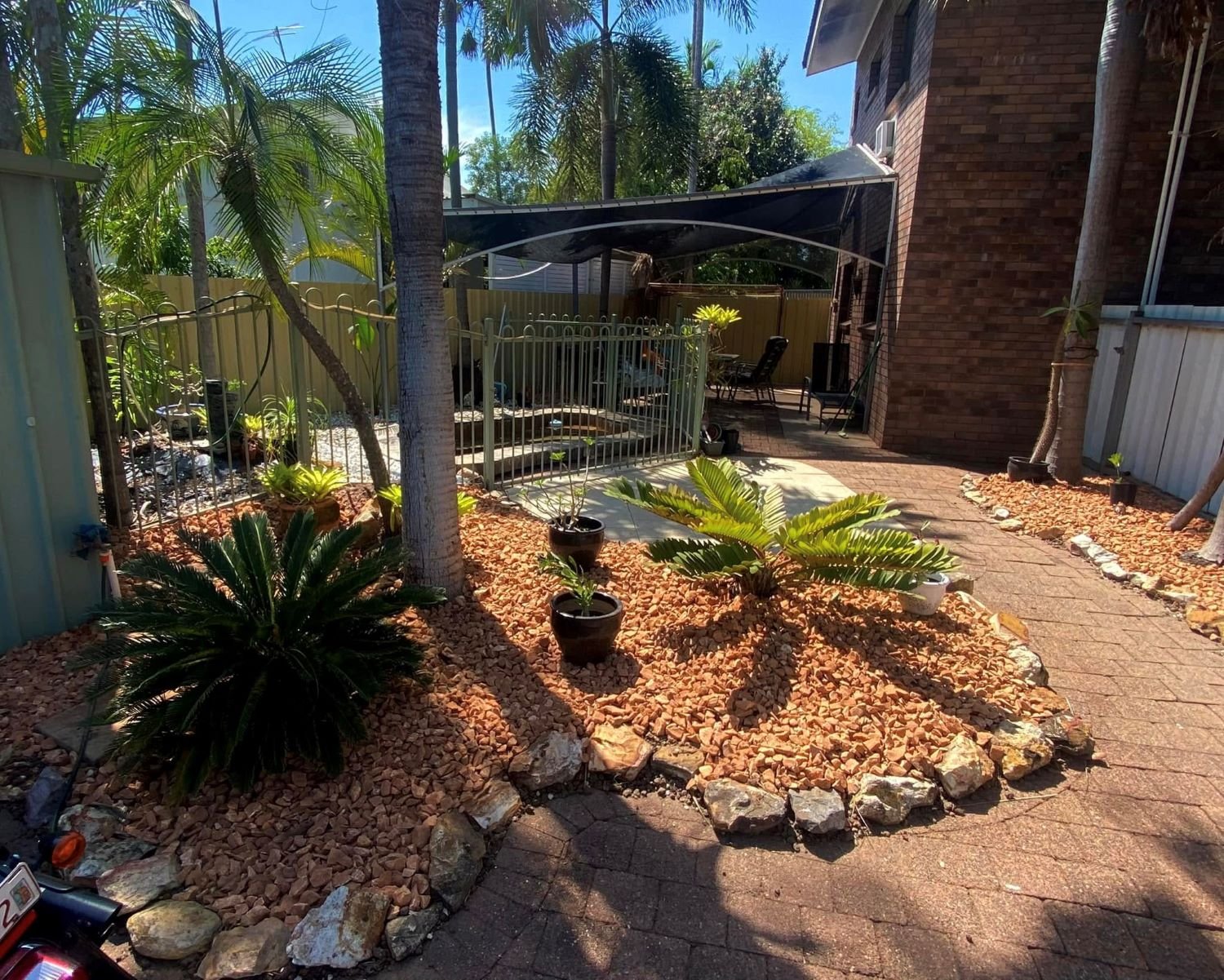
Creating a child-safe, family-friendly garden in Darwin is a journey—one that brings families closer to nature and to each other. By understanding local plant risks, choosing safe and engaging species, and following best-practice garden design and safety principles, you can foster a vibrant outdoor space where children thrive.
Ready to transform your Darwin garden into a safe, beautiful haven for your family?
Contact our expert team for tailored advice, professional turf management, and comprehensive garden maintenance services. We’re passionate about helping Darwin families grow gardens that are as safe as they are stunning.
Summary Table: Practical Dos and Don’ts

Final Thought:
With the right knowledge and support, your Darwin garden can be a safe, magical place for children to grow, learn, and play. Let’s make it happen—together!
About Us
At Quality Garden Services NT, we’re passionate about healthy soils and vibrant landscapes in Darwin. From turf management and grounds maintenance to garden renovations and soil health advice, our expert team is here to help you achieve your green goals—no matter the season.
If you’re in Darwin, Palmerston, Humpty Doo or the rural areas and looking for reliable, trusted garden & grounds maintenance services, look no further than Quality Garden Services NT.
We specialize in turf management, grounds maintenance, and garden care in Darwin and the Northern Territory.
Contact us today (0498649535) to learn more about how wetting agents can transform your lawn!
At Quality Garden Services NT, we understand how important it is to maintain a lush, healthy lawn and vibrant garden in Darwin’s unique climate.
Why Choose Us?
Choosing the right grounds maintenance and gardening service is crucial for the health and appearance of your property. Here’s why we stand out:
Local Expertise: Our team is familiar with the unique climate and soil conditions of the Darwin, Palmerston, Humpty Doo and surrounding areas. We know what works best for your gardens and lawns.
Quality Service: We are committed to delivering high-quality work. Our goal is to exceed your expectations, leaving you with well-maintained outdoor spaces.
Customer Satisfaction: Your satisfaction is our priority. We take the time to listen to your needs and tailor our services accordingly - be it for commercial or private properties.
Thank you for visiting our website!